Who We Are
A conservation science research nongovernmental organization with a mission to study and restore carnivore populations at risk of extinction and the mountain ecosystems they call home through innovative science, strong partnerships, and local community action.

Dale–A Mount Rainier wolverine from our study area. Photo Credit: Kayla Shively, Cascades Carnivore Project Field Alumnus
Projects
Indigenous-Led Conservation Planning Partnership for the Endangered Cascade Red Fox in the Face of Climate Change with Yakama Nation, University of Washington and Mount Rainier National Park
Ecology and Conservation of the Cascade Red Fox
Return of the Wolverine to Washington’s Cascades
Canada Lynx Genetics and Connectivity in Washington’s North Cascades and British Columbia
North Cascades Montane Carnivores in Face of a Changing Climate
Inspiring The Next Generation of Conservationists In Oregon
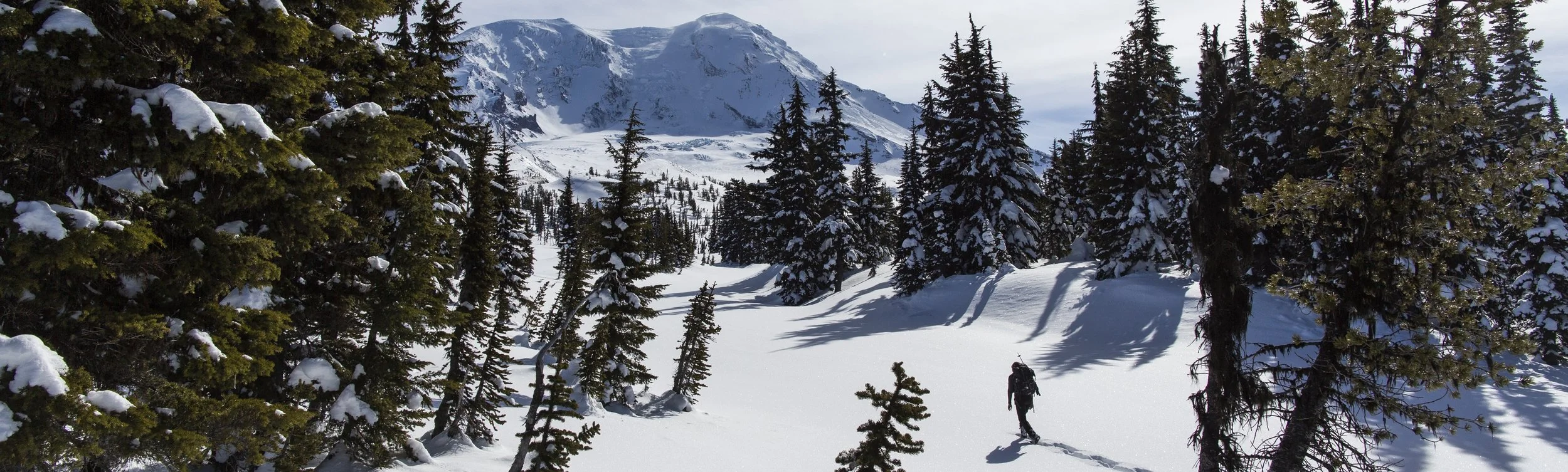
TREKKING THROUGH RARE CARNIVORE HABITAT ON PAHTO | MOUNT ADAMS, WA. Photo Credit: Michael Hanson
Our Vision
We work to ensure thriving carnivore populations and healthy mountain ecosystems for generations to come by developing actionable conservation strategies with wildlife and land management partners. Our goal is support carnivore recovery and coexistence in the face of human encroachment, habitat fragmentation and climate change.

Cascade red fox (known as Ginger) in Mount Rainier. Photo by: Gretchen Kay Stuart
Our Goals
Collaborate with Native American Tribes, government agencies, other conservation groups, and local individuals to understand the drivers of carnivore declines and develop management priorities for their recovery that inform conservation strategies and implementation plans.
Make long-standing change through local community action that raises public awareness and support for the protection of carnivores and their mountain homes.
Inspire the next generation of scientists and conservationists.
Our Values
High Quality Research - We employ rigorous, innovative scientific approaches that advance an understanding of the threats to and health of carnivore populations.
Solutions Based Science - We utilize our wildlife studies to identify and prioritize management solutions that are realistic and actionable.
Partnership - We strengthen our impact through strong, genuine collaborations with fellow scientists, community members, indigenous nations, other NGOs, universities; and local, state, and federal agencies.
Community - We achieve success through the participation of individuals and the personal relationships that build support for carnivore conservation.
Grit - We work in wild, rugged places and are driven by passion and tenacity, to solve tough problems facing rare carnivores, not stopping until progress has been made.
Interdependence - We believe that the natural world and our place in it are interconnected and by protecting wild places, we support our own well-being.
A little film about our work.
Watch our film collaboration with Mount Rainier National Park. Join the movement to protect the Cascade red fox and other rare carnivores.
In The News!
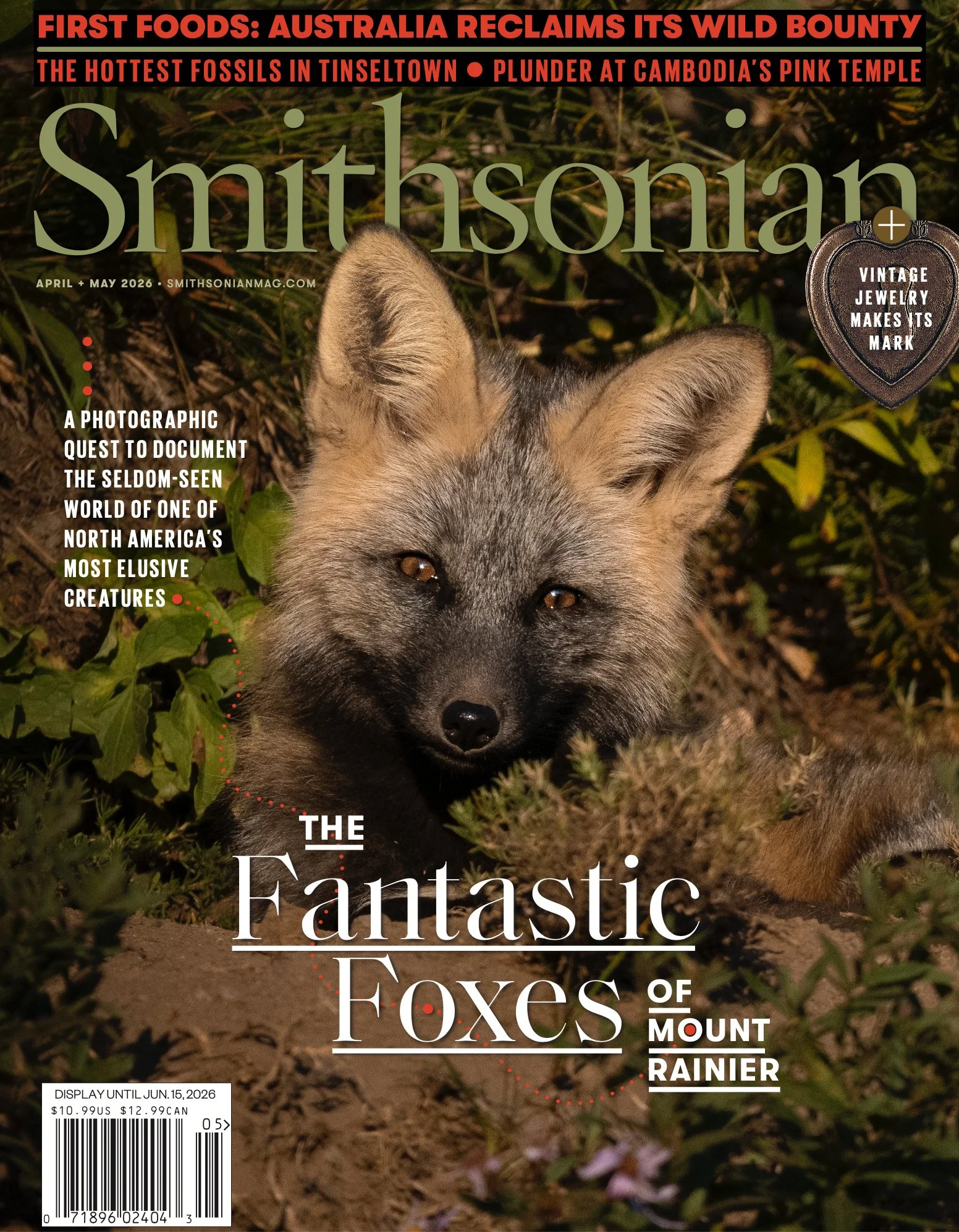
The Smithsonian Magazine April/May 2026 issue covers the conservation challenges of the Cascade re fox and highlights the photography of Gretchen Kay Stuart.
“This is such an important demonstration of how when we have diverse teams, we have broader reach and impacts.” - Dr. Tara Chestnut, CCP Board President.
Listen to the accompanying podcast There’s More to That.
Learn more and support Gretchen’s work.

Cross-phase Cascade Red Fox of Mount Rainier National Park (known as Whitefoot). Photo Credit: Gretchen Kay Stuart

Cascades Carnivore Project, in collaboration with the National Park Service, discovered the first reproductive female wolverine and her kits in Mount Rainier National Park in over a century. Read more about the news.
Carnivore Conservation in Our Changing World
During the last century, many carnivore species have suffered significant declines in their distribution and abundance including several local extinctions (also known as extirpations) in the Cascade Range - of wolverines, fishers, gray wolves and grizzly bears. The good news is that some of these species are starting to recover as the historical threats of overharvest and predator control programs have been significantly reduced and these species are returning on their own and with human’s help. We have the opportunity to coexist and understand that our iconic Northwest landscape once again includes wolverine kits playing in the snow, gray wolves howling in wild, alpine meadows, and fishers finding protection in mature forests. However, climate change, significant human development and increased outdoor recreation pose novel challenges for wildlife today. Our aim is to meet these challenges by studying rare carnivores across landscapes and providing clear solutions to promote thriving carnivore populations in the West.

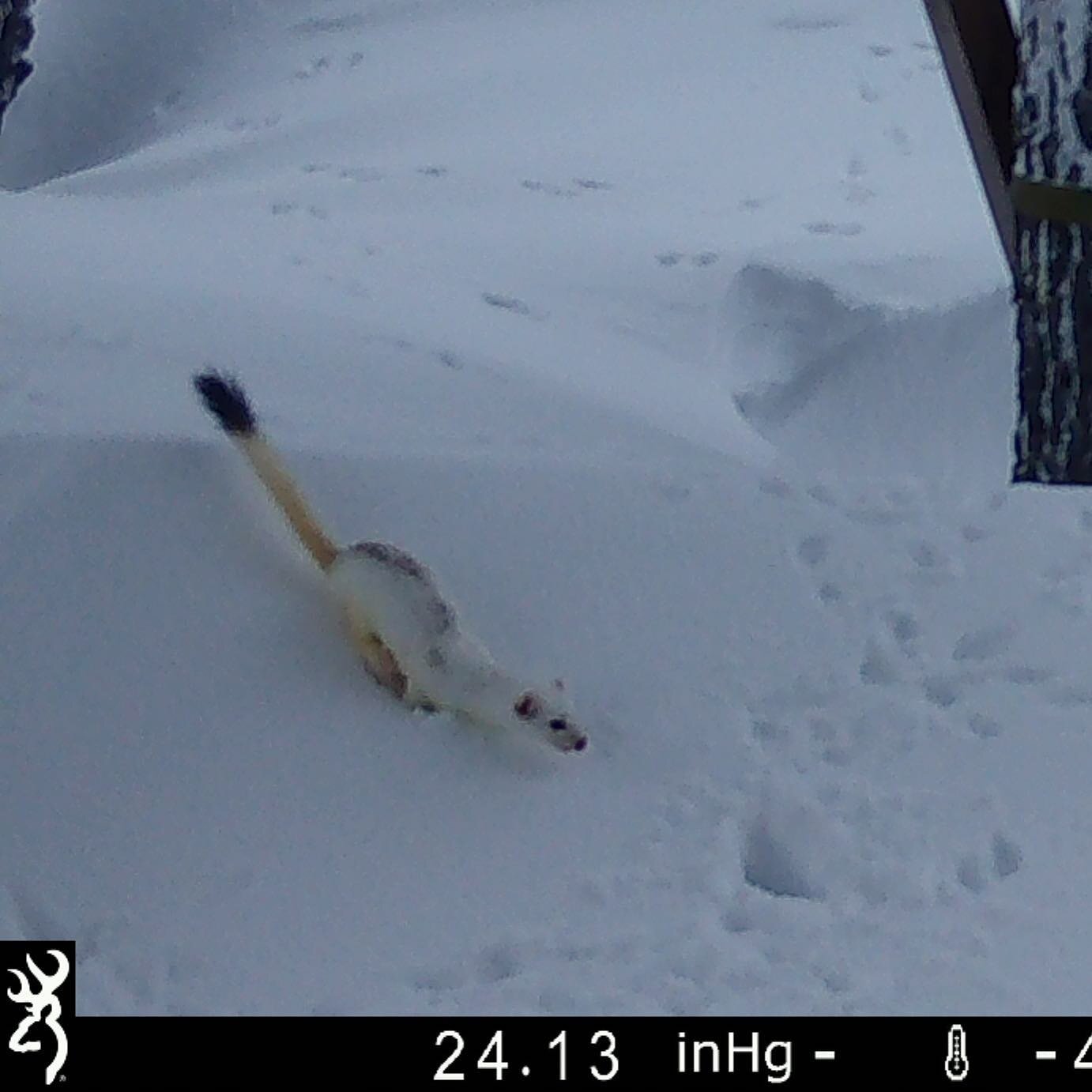
Camera trap photo of a wolverine captured at one of Cascades Carnivore Project’s noninvasive bait stations.
Our Approach
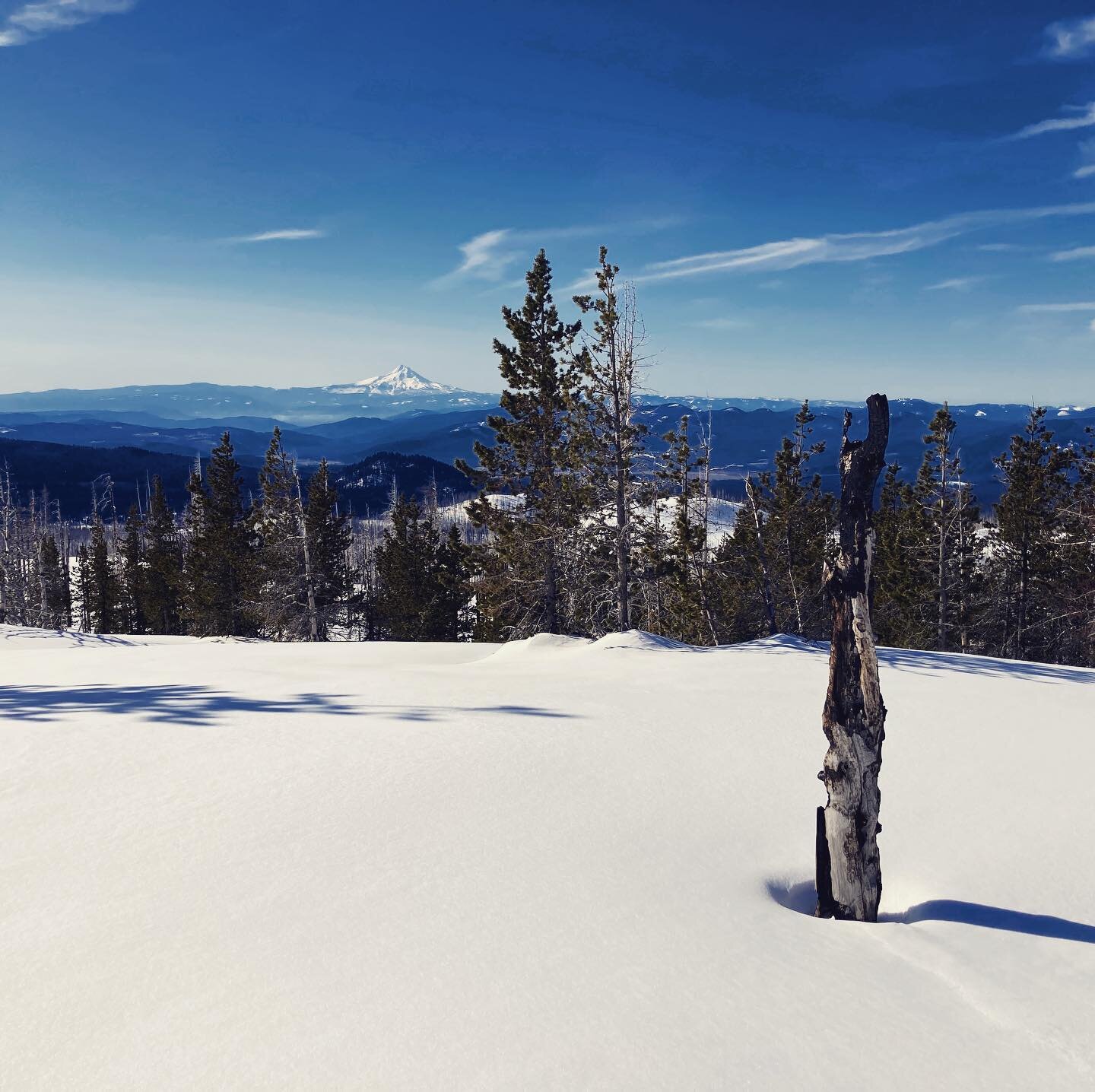
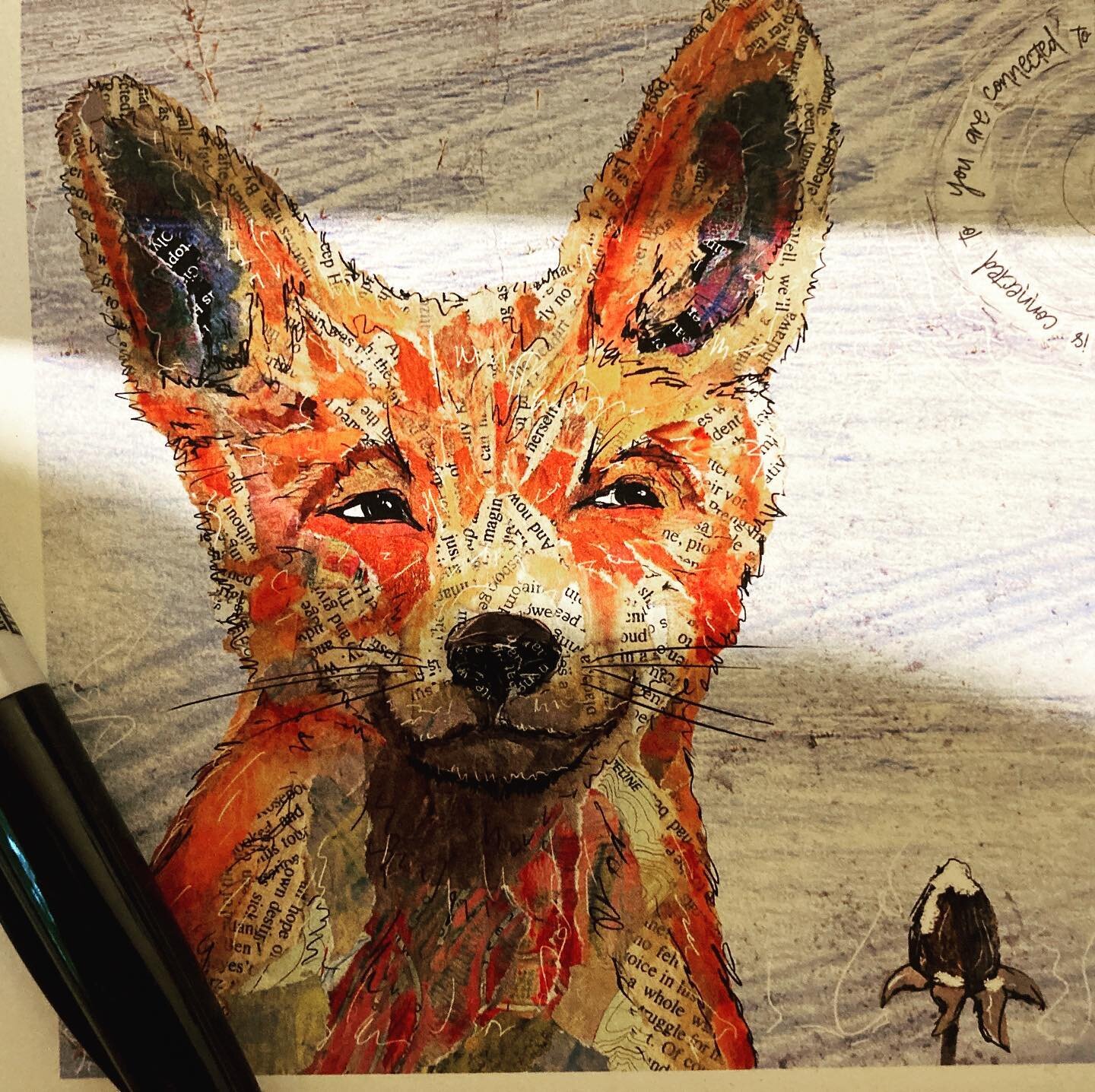
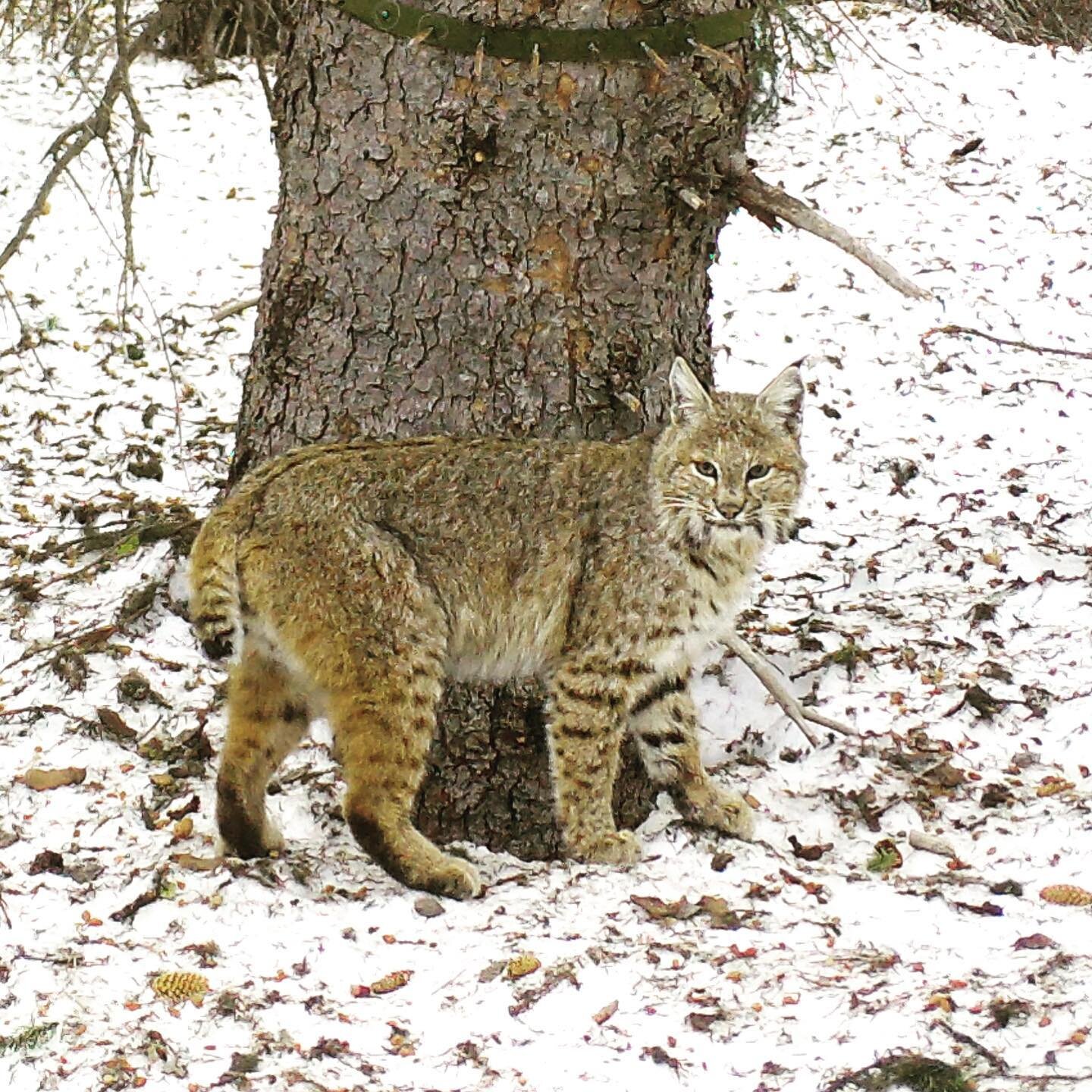
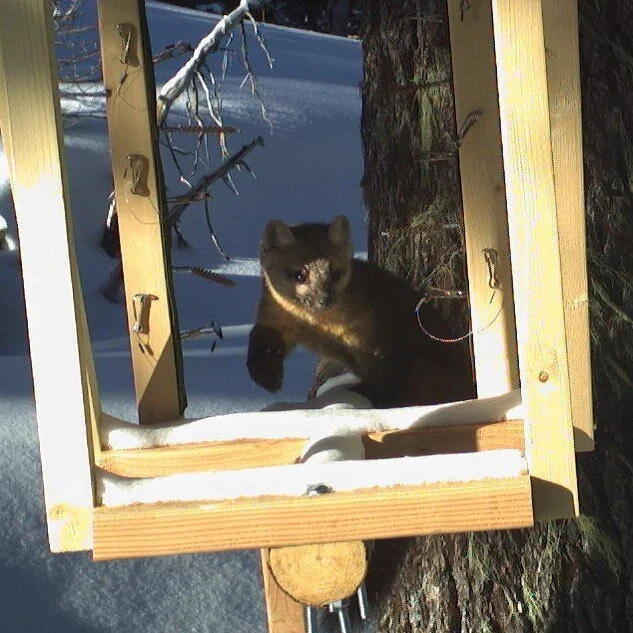
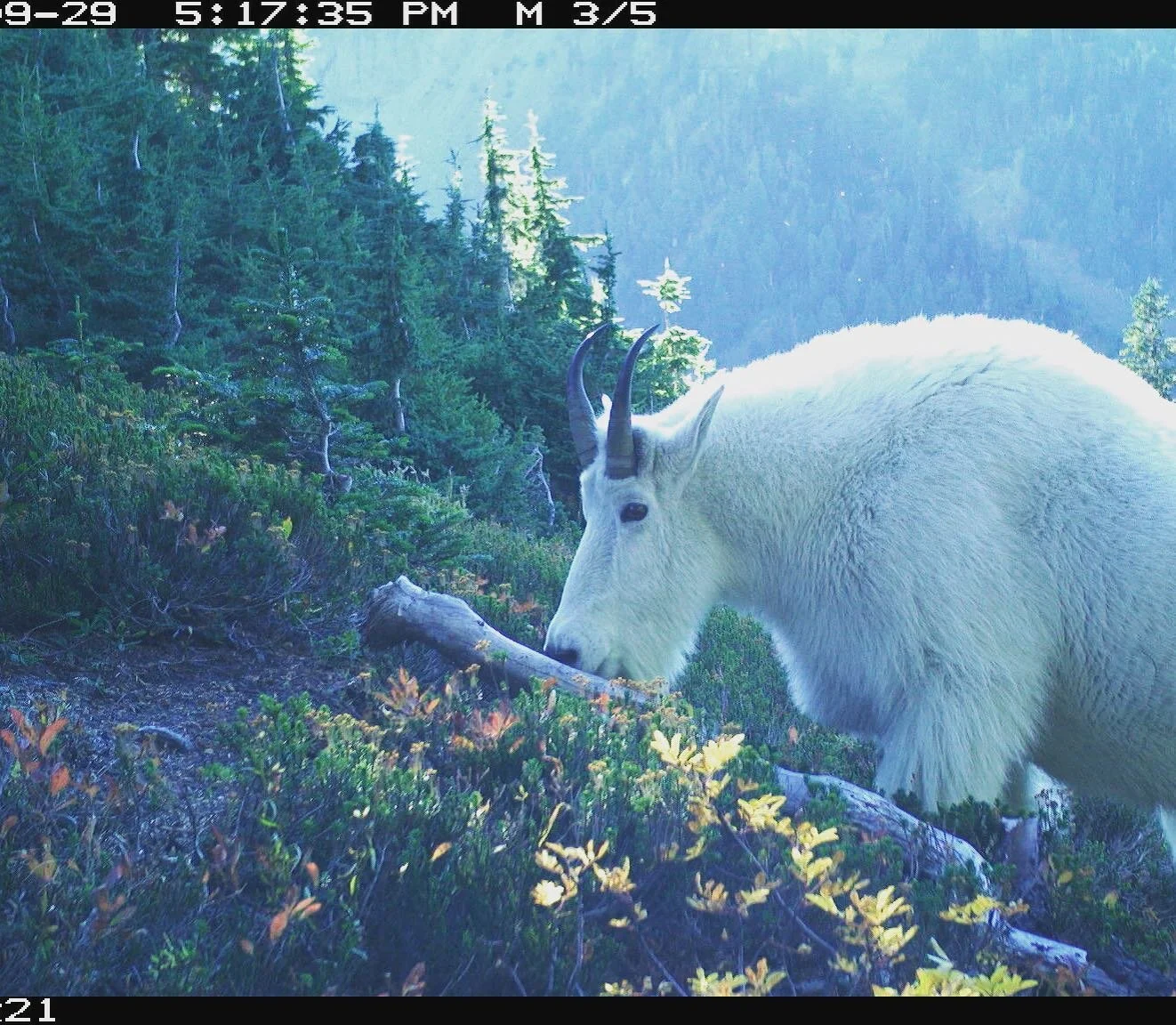
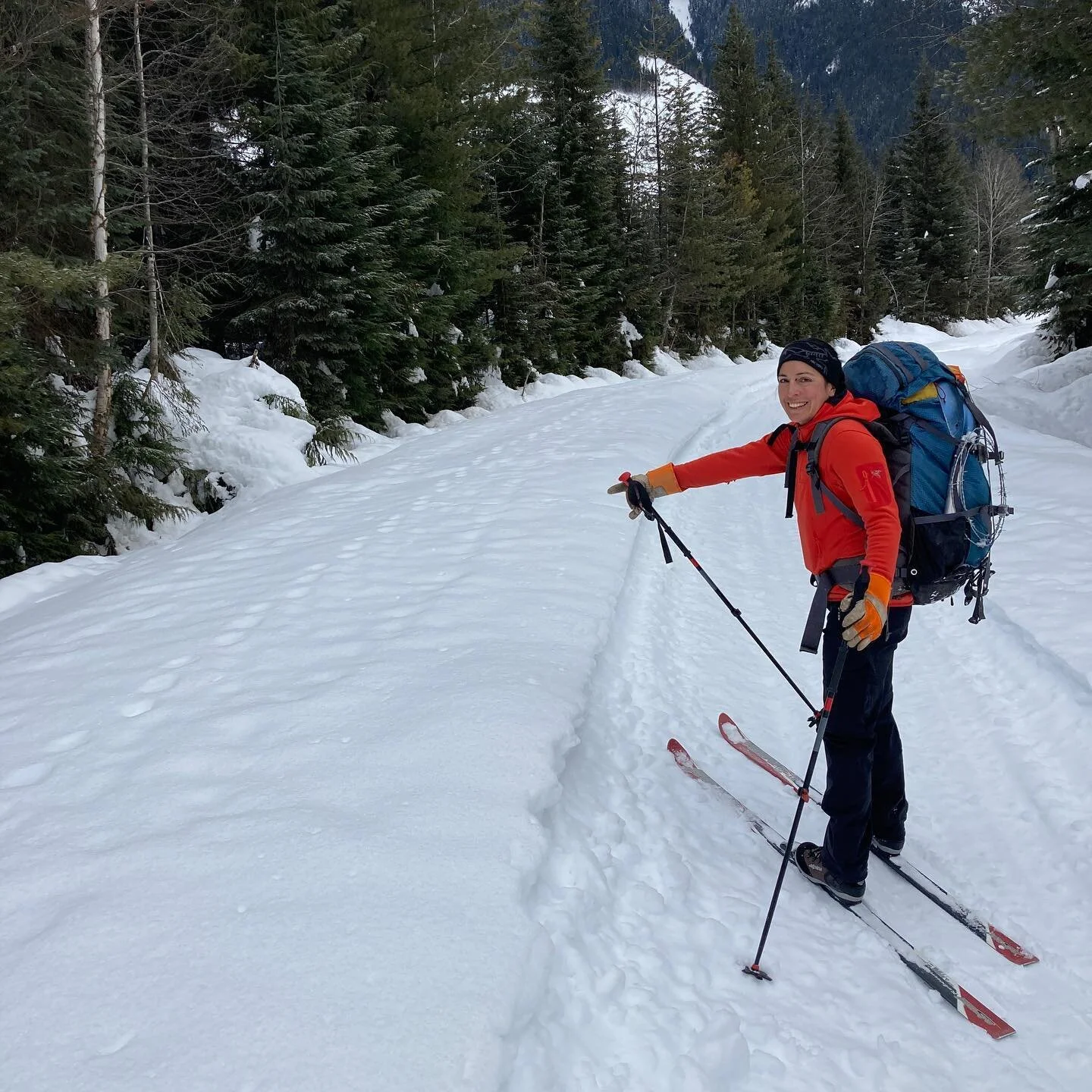
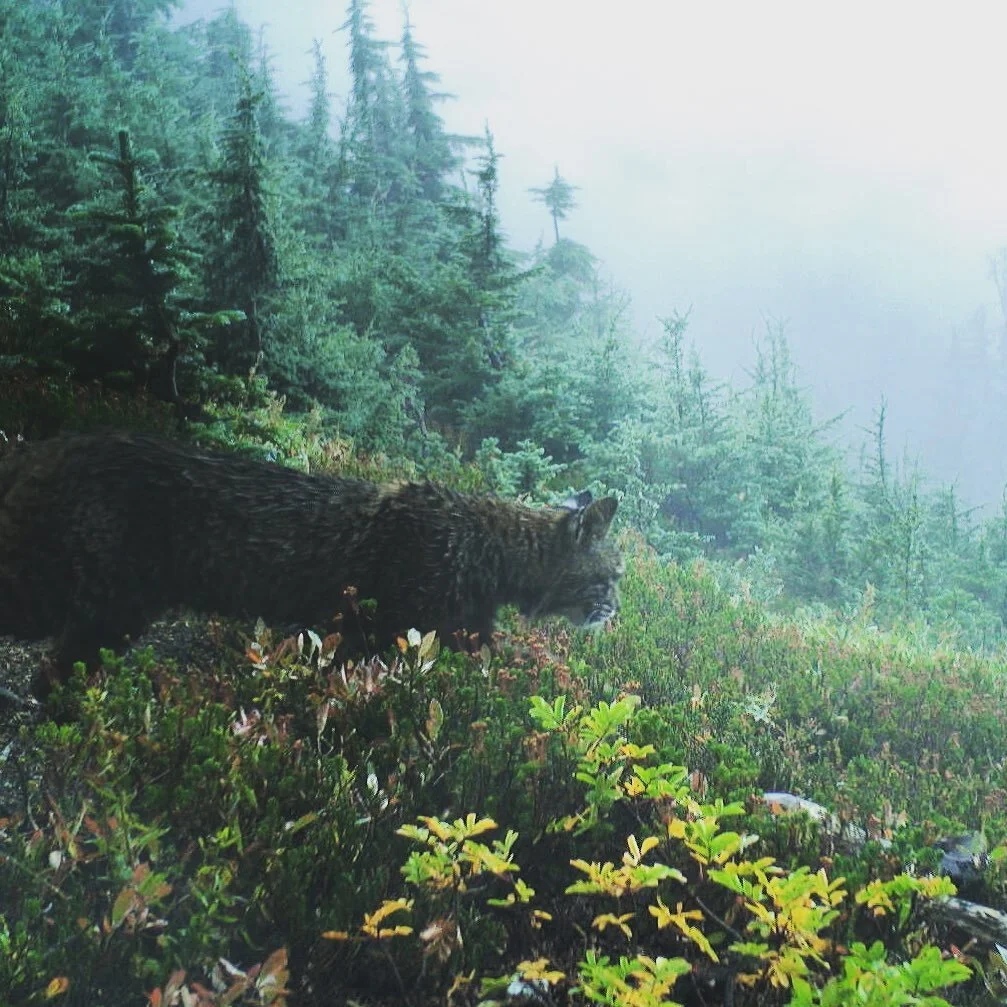
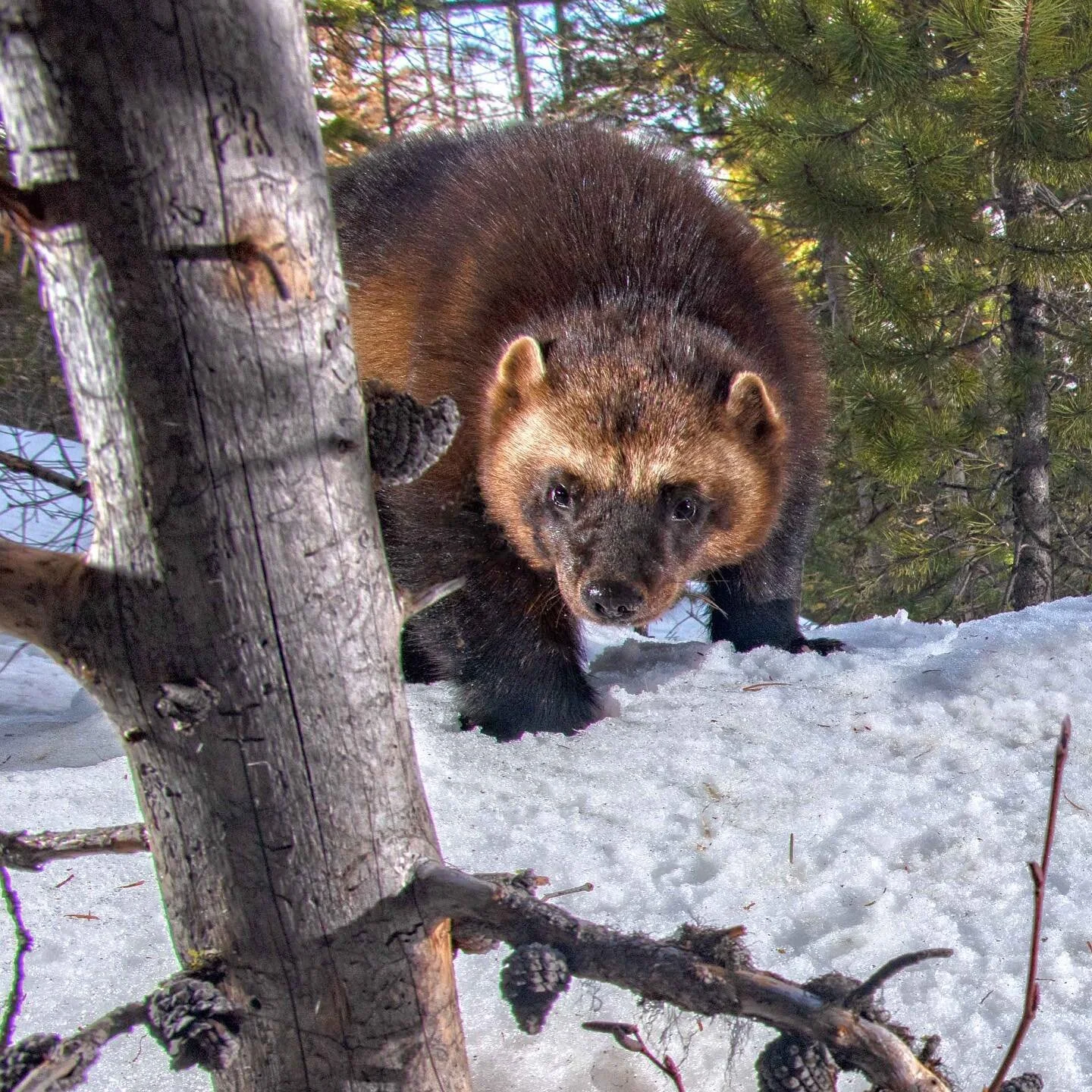
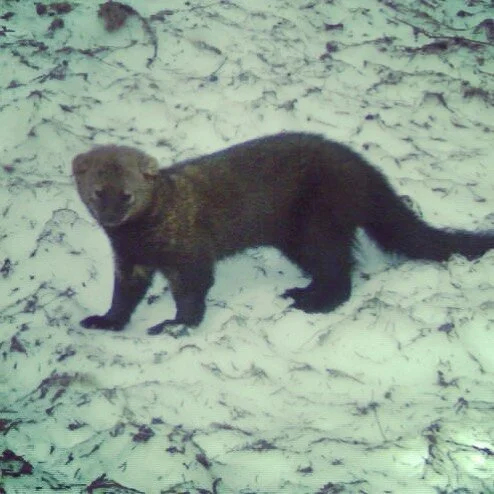
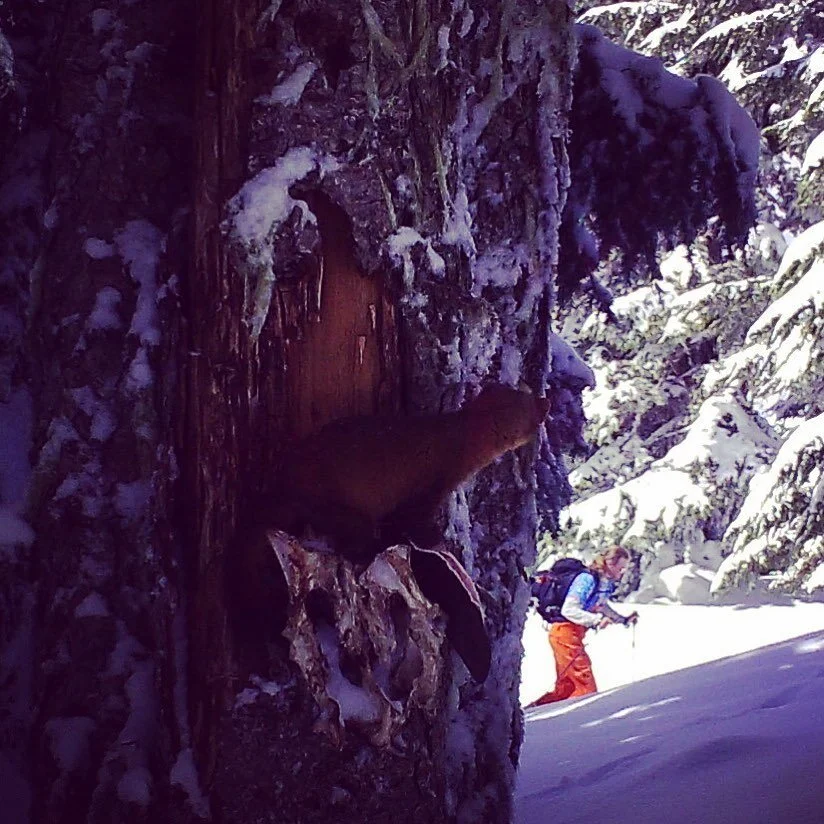
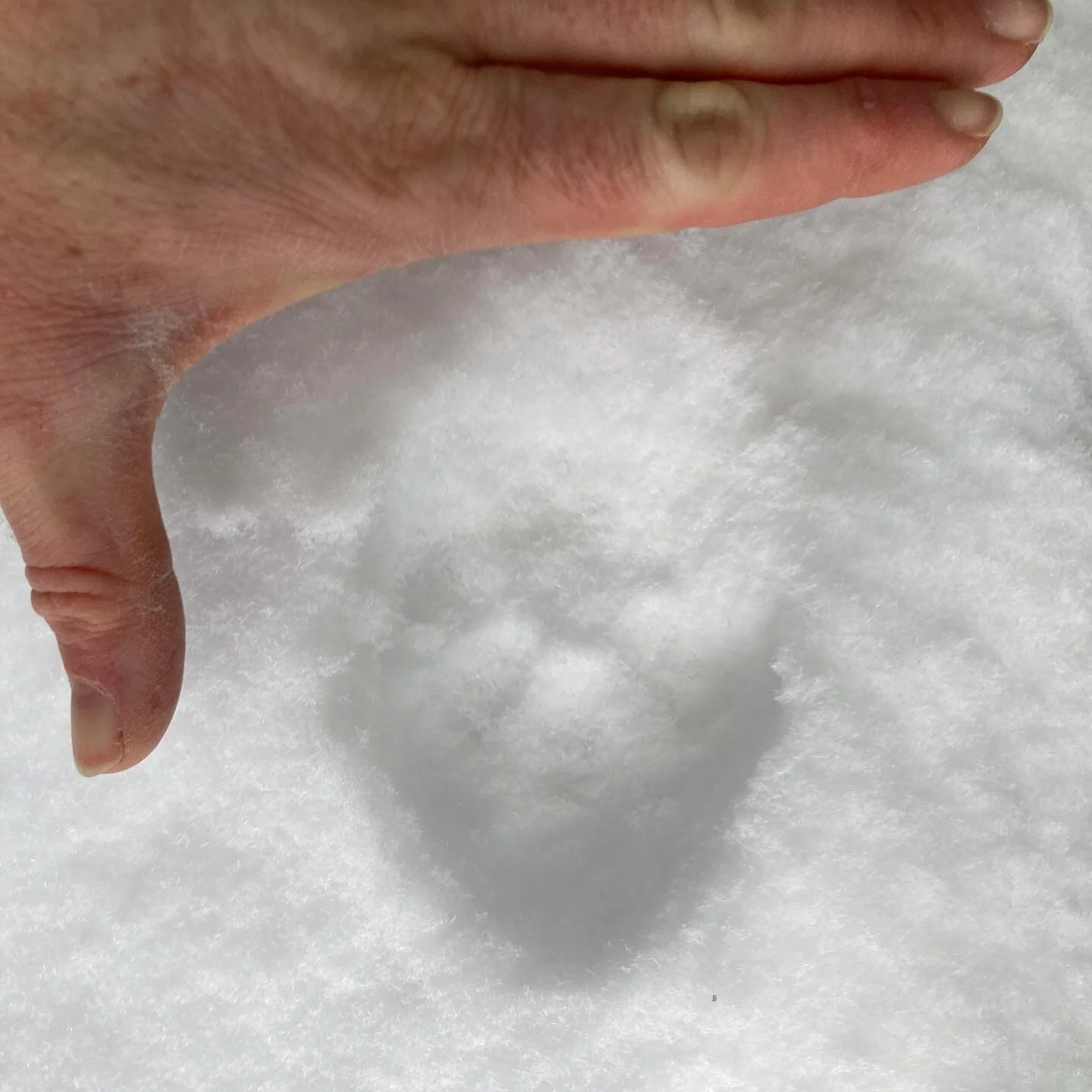
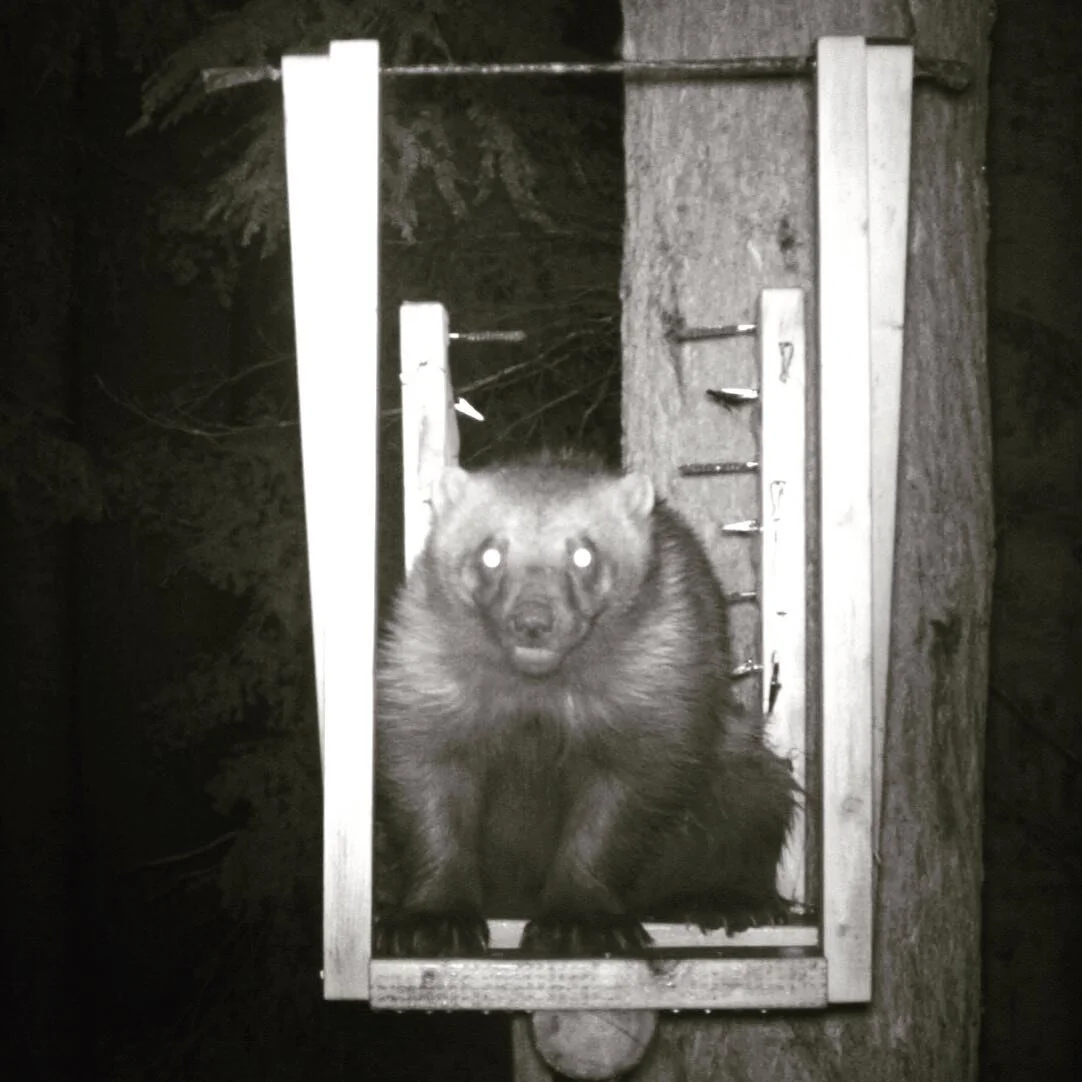
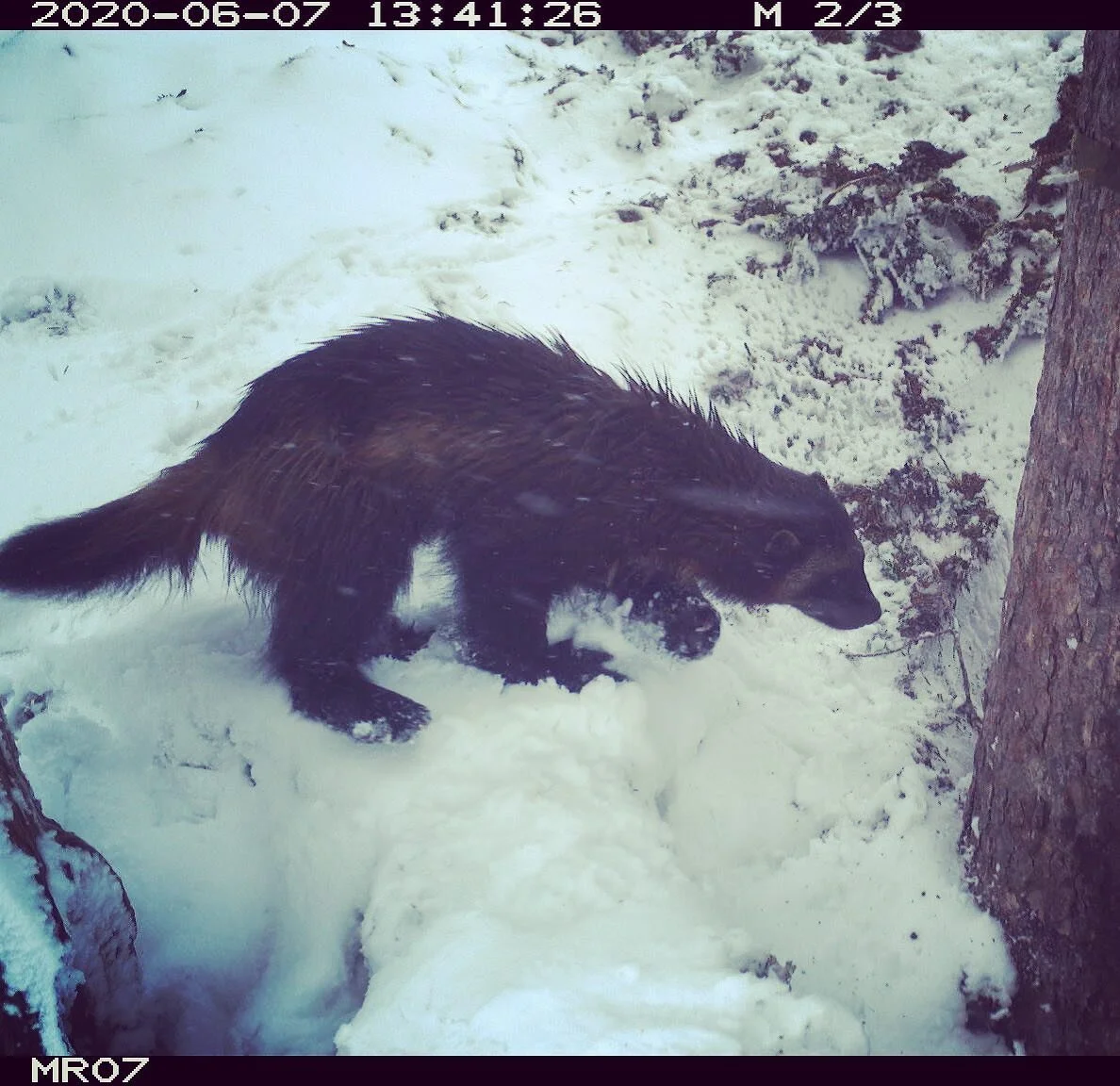
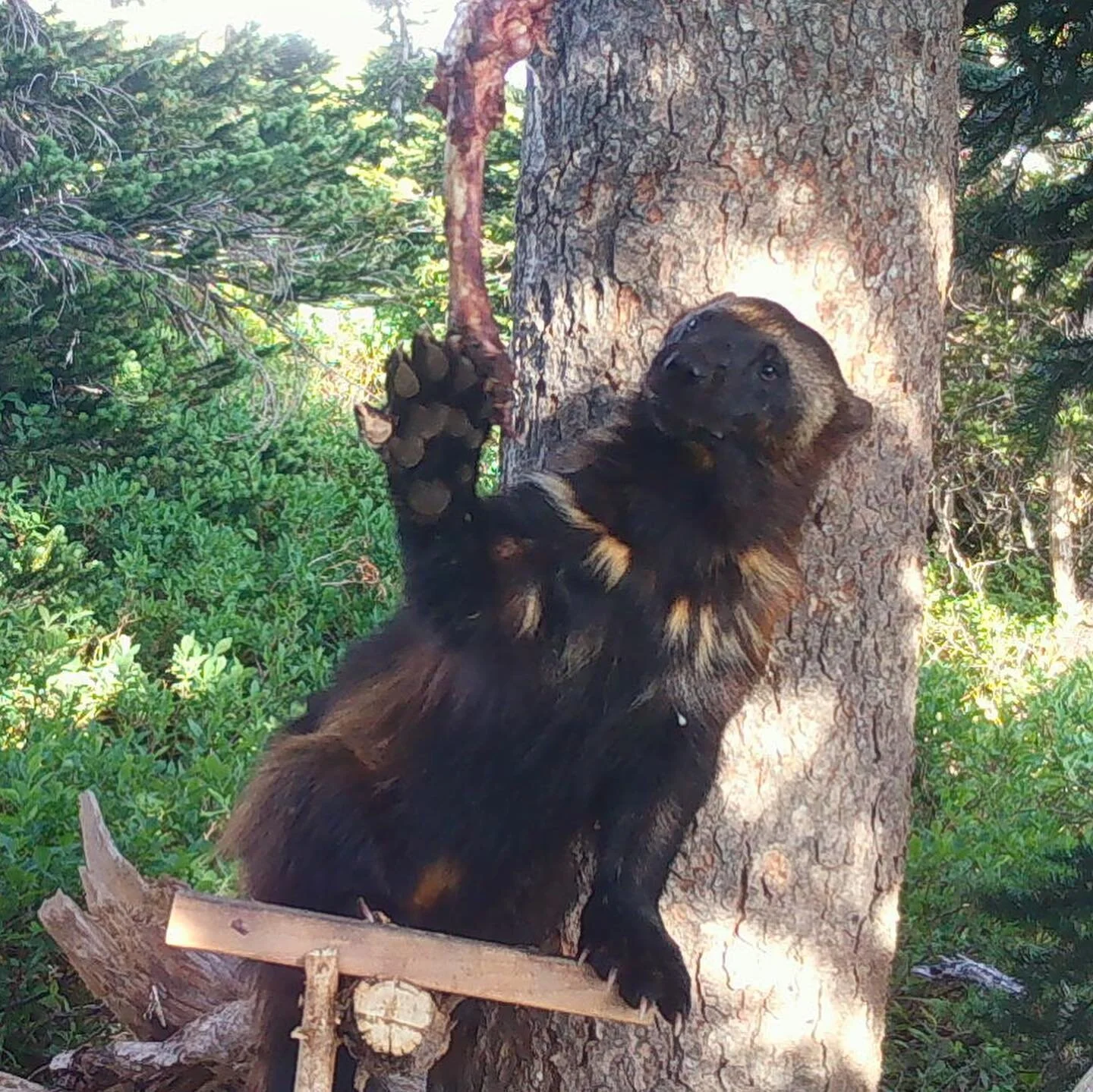
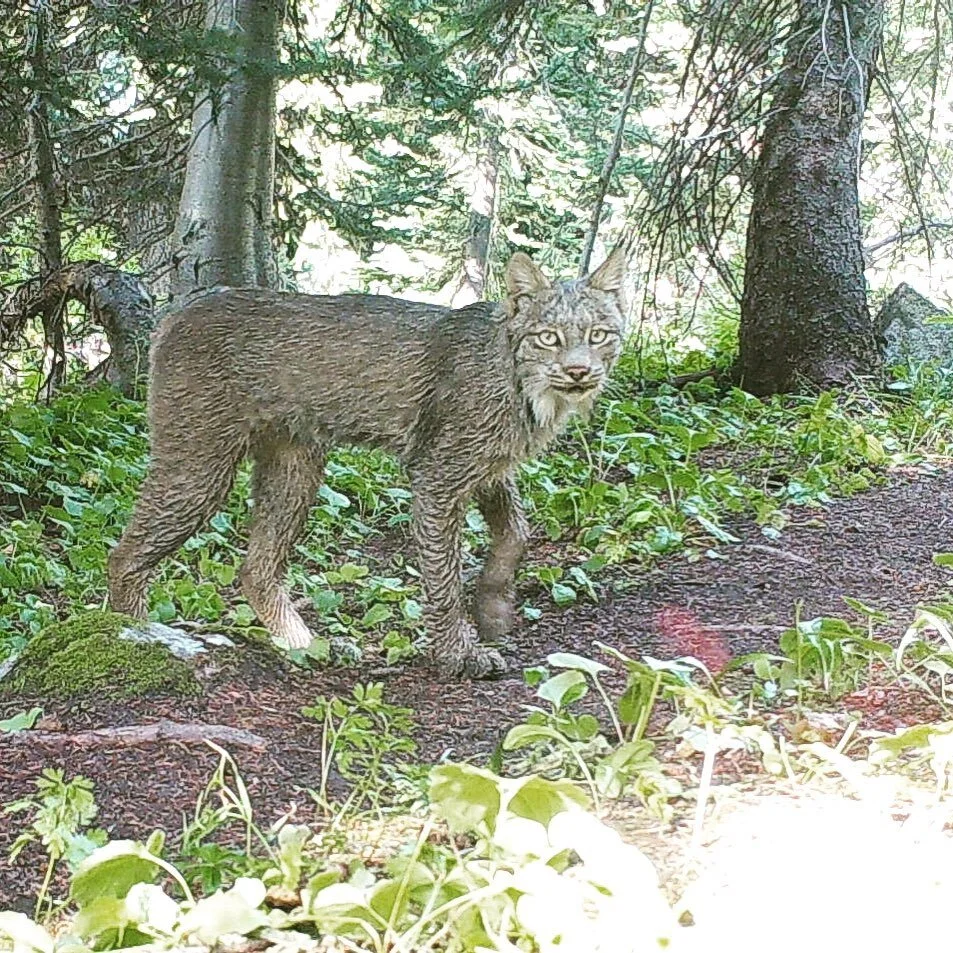
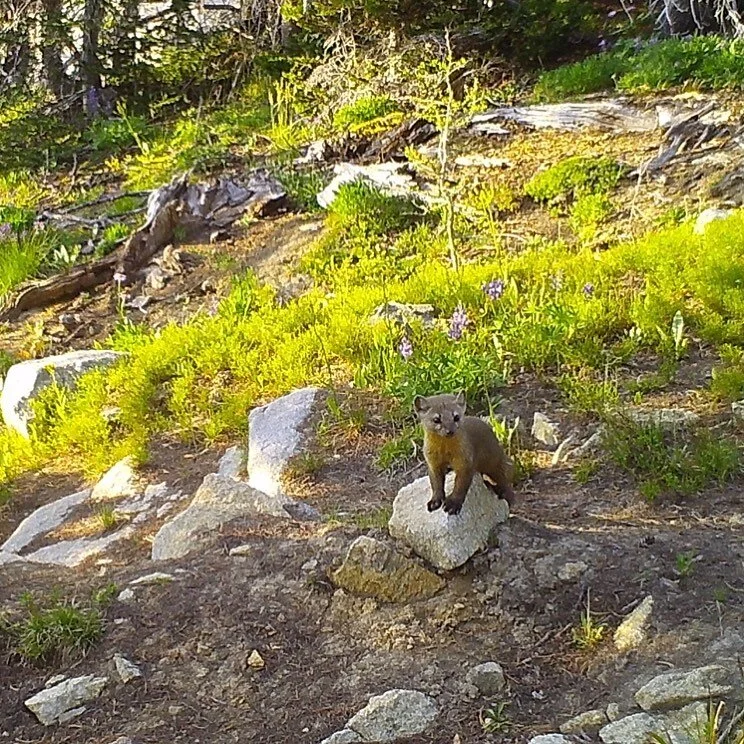
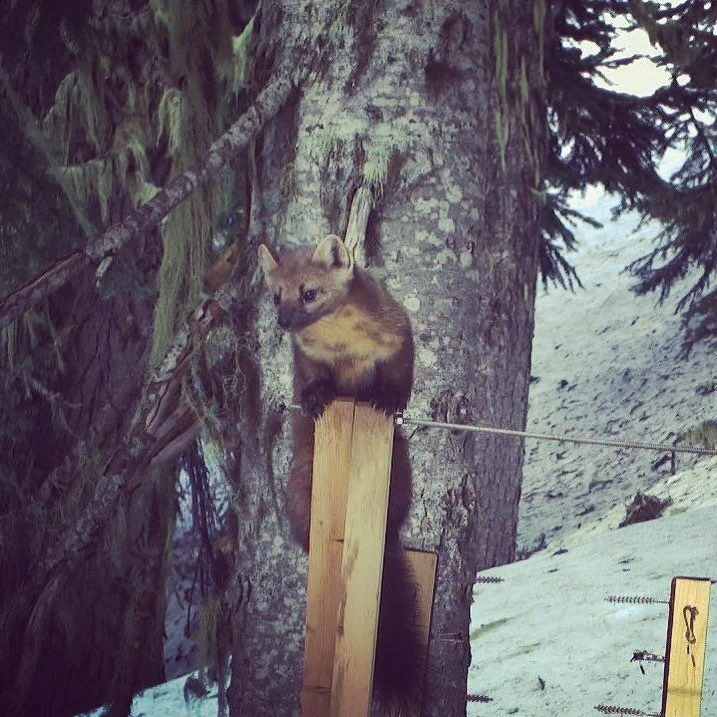
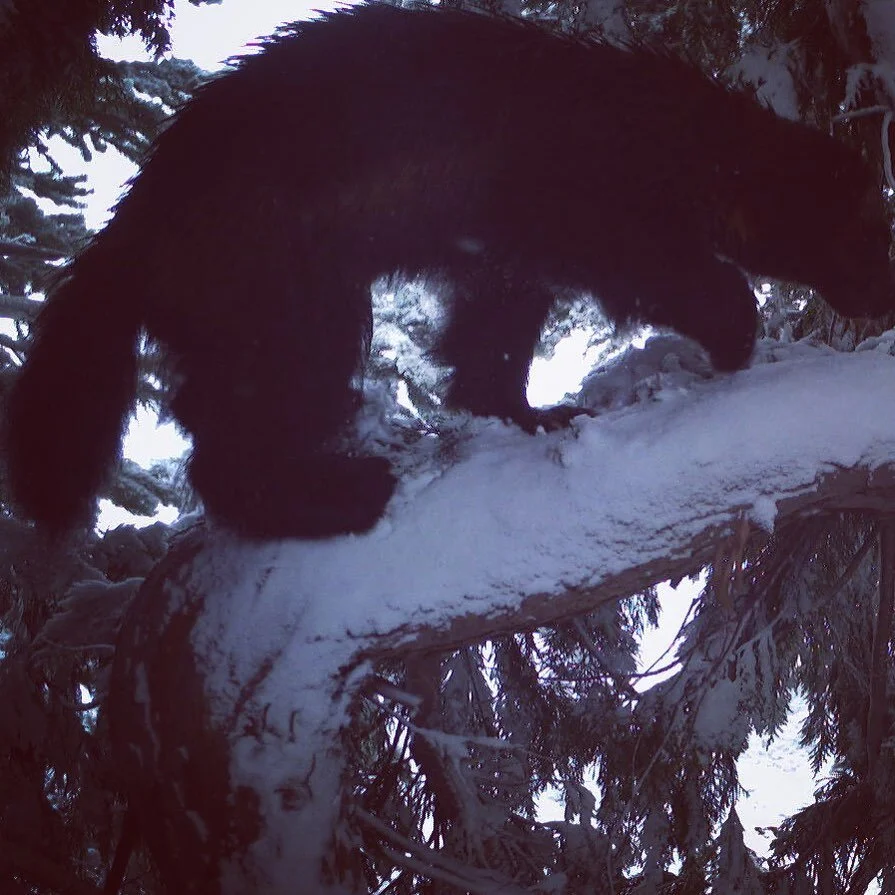
We are dedicated to long-term research that drives real conservation action—studying wolverines, Cascade red foxes, and Canada lynx. For these species of conservation concern, we provide critical data and analysis on their population status and threats to help inform and promote effective management strategies.
Much of our research employs non-invasively collected DNA samples to understand how populations are connected across large landscapes.
By better understanding rare and elusive carnivore populations, we can help them thrive for generations to come.
Do good things with great people!
We believe that lasting change happens when passionate people work well together. We accomplish more by working with others through public participation, local community action and genuine collaborations where all partner bring their best and actively participate on the project. We are committed to growing together and nurturing these vital relationships. We love working with stakeholders who share common goals and are willing to jointly share the responsibilities, resources, and rewards of our conservation efforts to ensure we all do better to protect our planet.
See our 2023 Annual Report!

CASCADE RED FOX KITS AT MOUNT RAINIER NATIONAL PARK. Photo Credit: Kelly VanDellen
A huge thank you to our partners!




Black-phase Cascade Red Fox of Mount Rainier National Park (known as Snag). Photo Credit: Gretchen Kay Stuart