Words and Photos by Rachael Pecore-Valdez
As program manager, I had the opportunity to join our summer crew for a day of field work near Mount Rainier National Park. The logistics, trail mileage and grit I witnessed from our crew were nothing short of hard core!
Tuesday, 7/21/2026
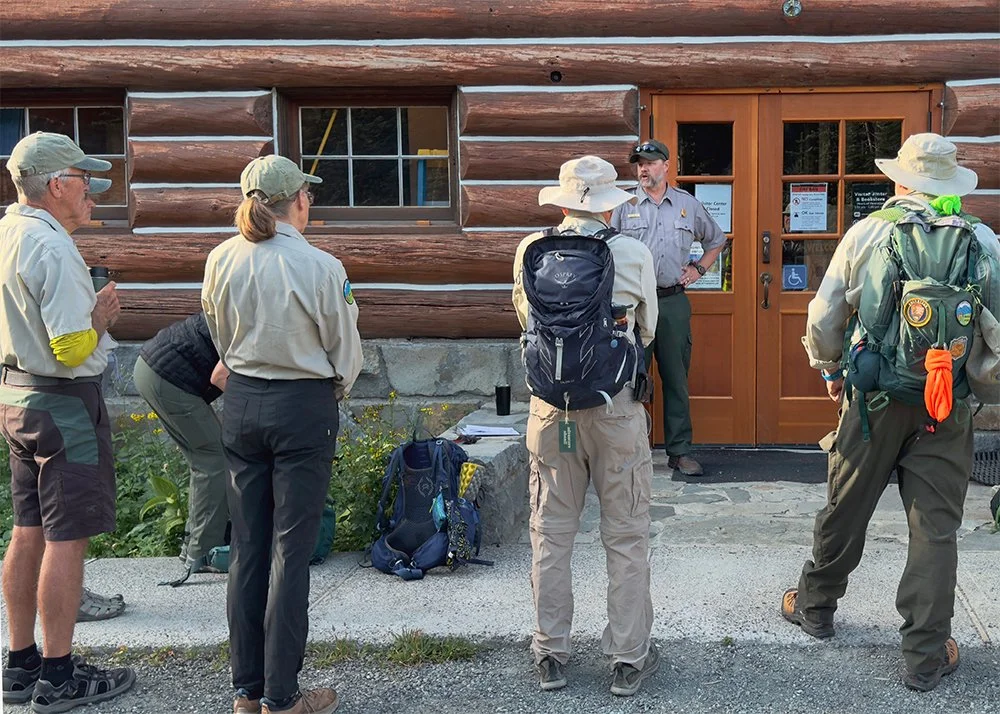
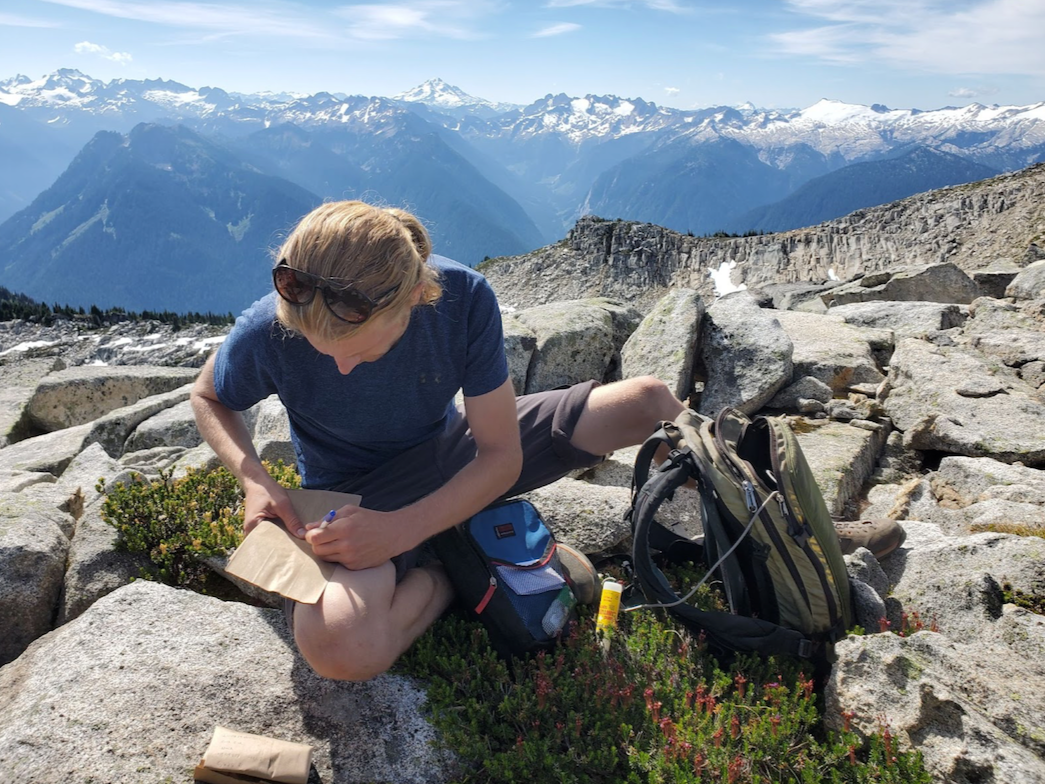
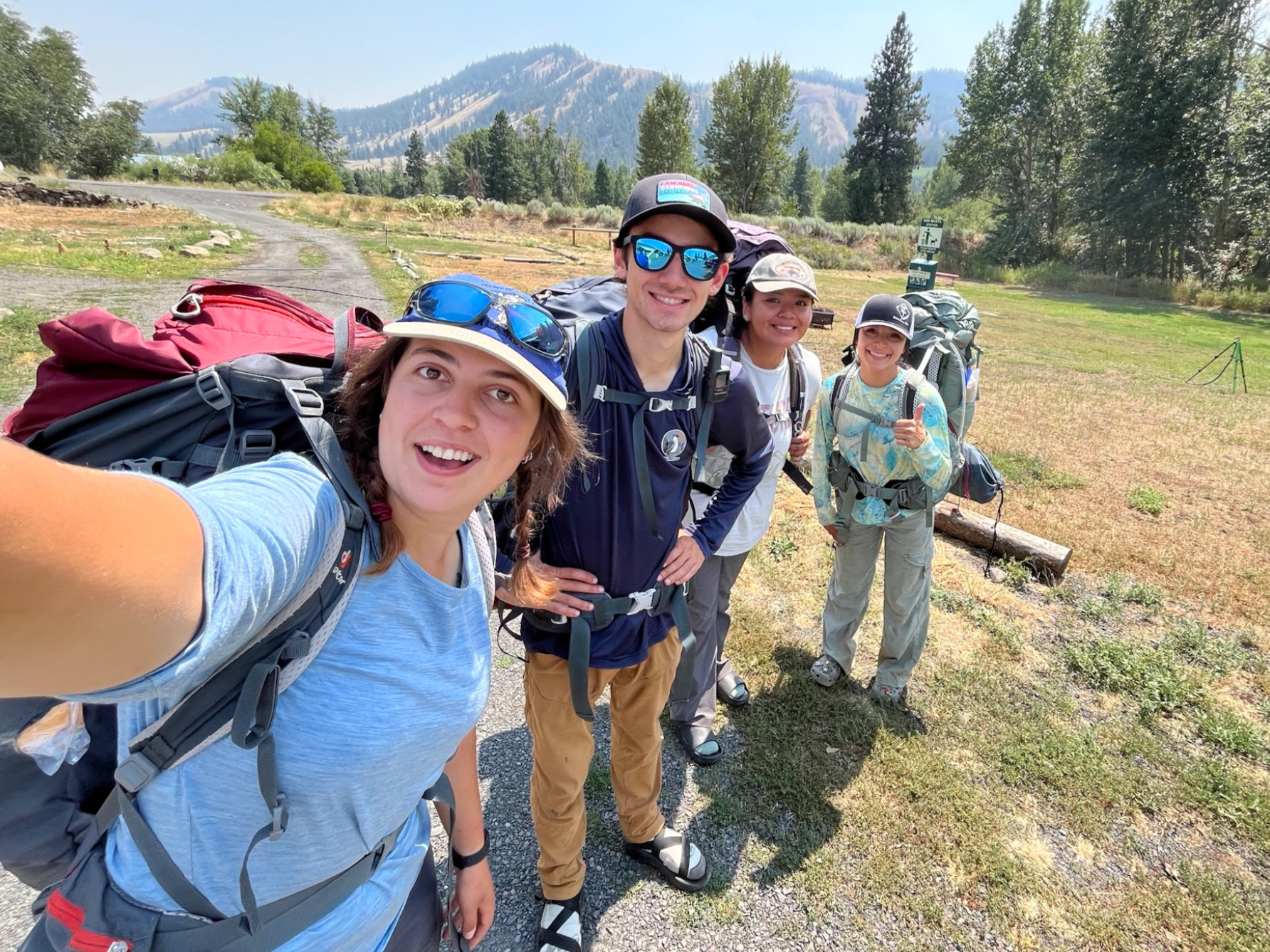
6:30am - Field crew of four rallies at our Nile, WA base, a small cabin on the Naches River. Piper, a recent biology graduate of the University of Washington, gets her day started with instant coffee, while Nate, our field leader and a Whitman College graduate looks at the weather and the day’s 10 mile route up to one of our camera stations. Lovey and Virginia, environmental science students at Heritage University, get their daypacks ready. This is their 3rd and last week of field work, the culmination of a 6-month internship program supported by Heritage University, Yakama Nation and CCP.
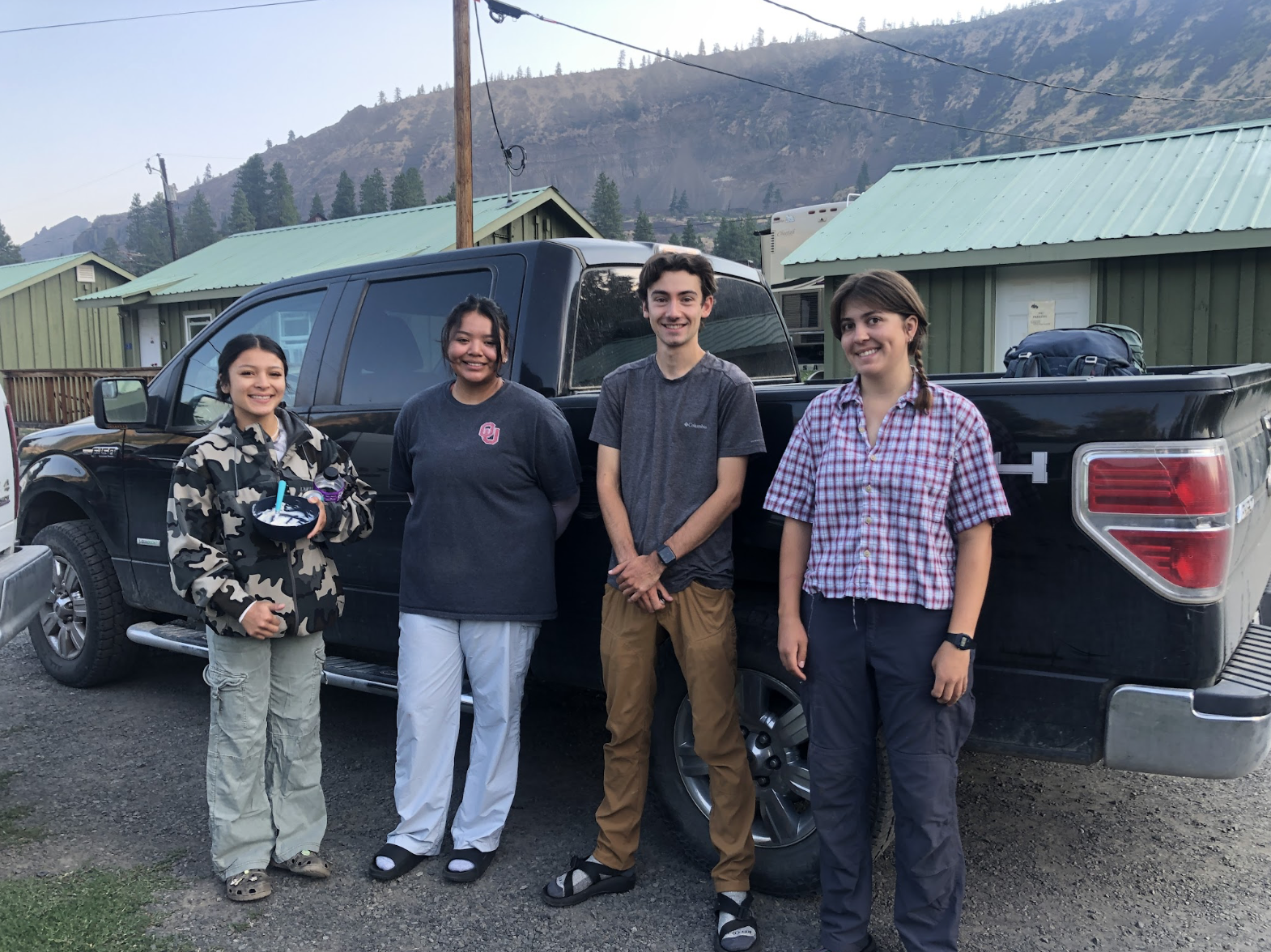
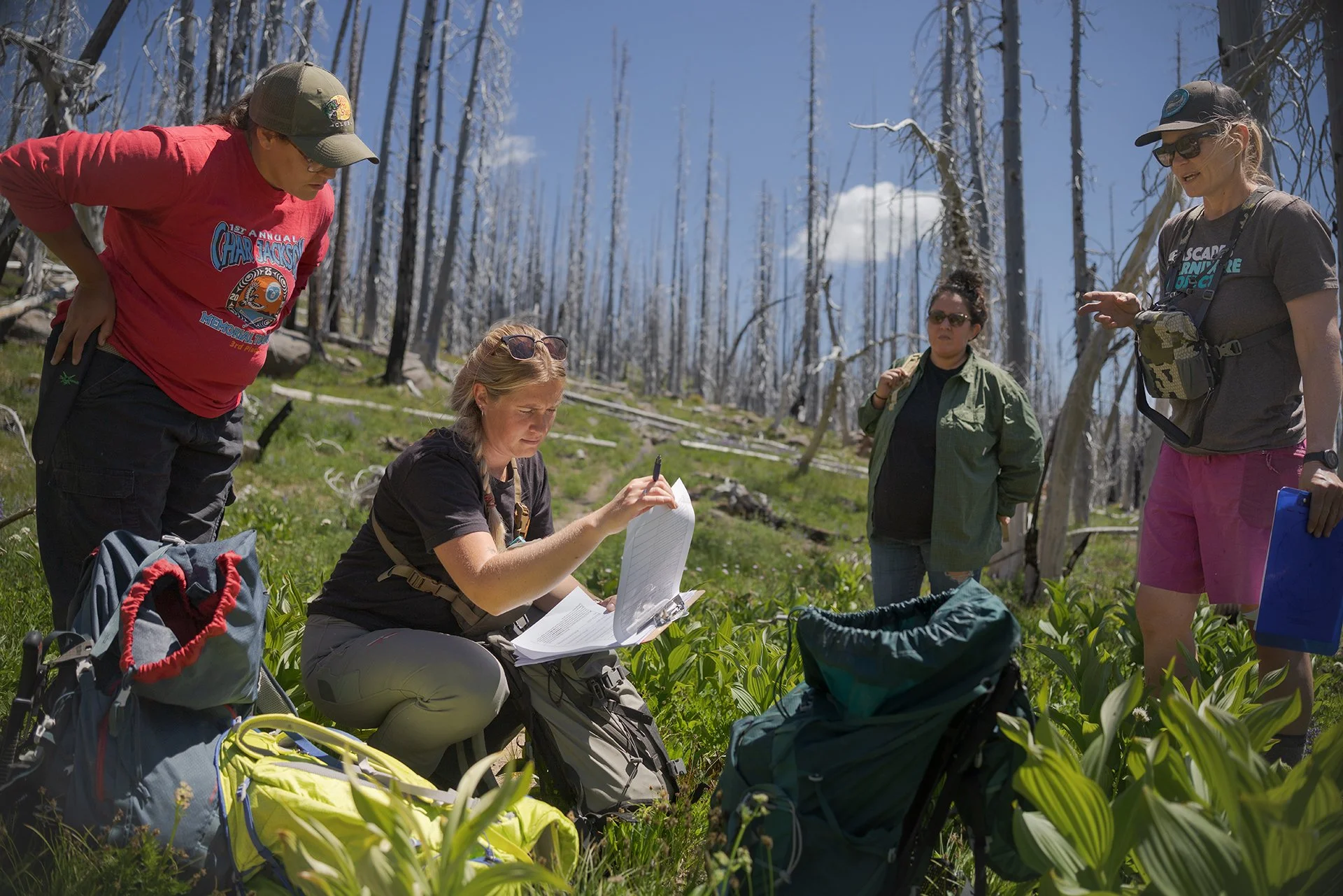
Left to Right: Virginia, Lovey, Nate, Piper
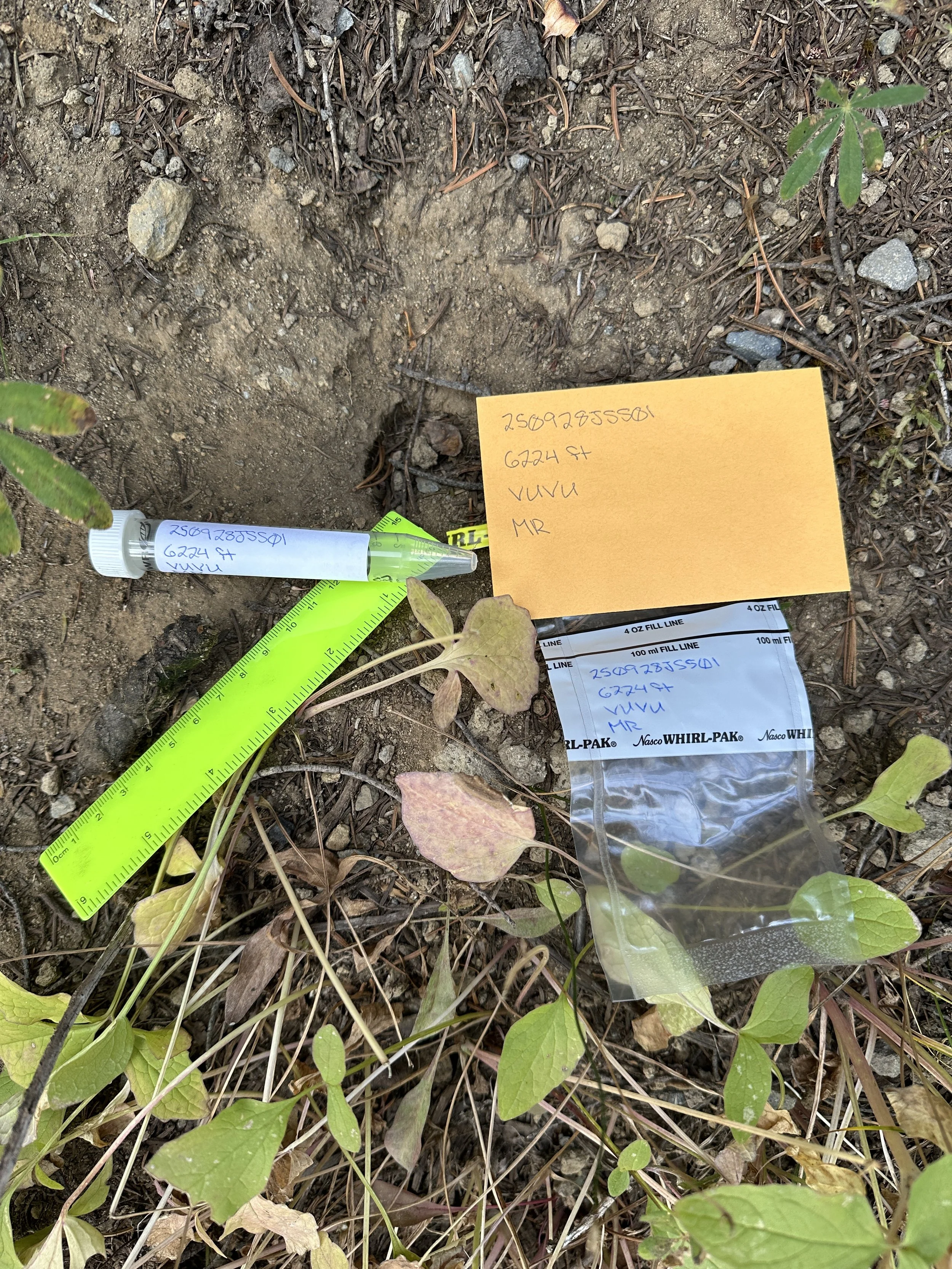
7am - Load up the truck with our packs and scat kits. Review equipment checklist for first aid kit, InReach satellite communicators, spare battery packs, spare tire kit, food, water… Roll out to a playlist of ‘fox jams’ that the team has compiled including “Fox on the Run.”
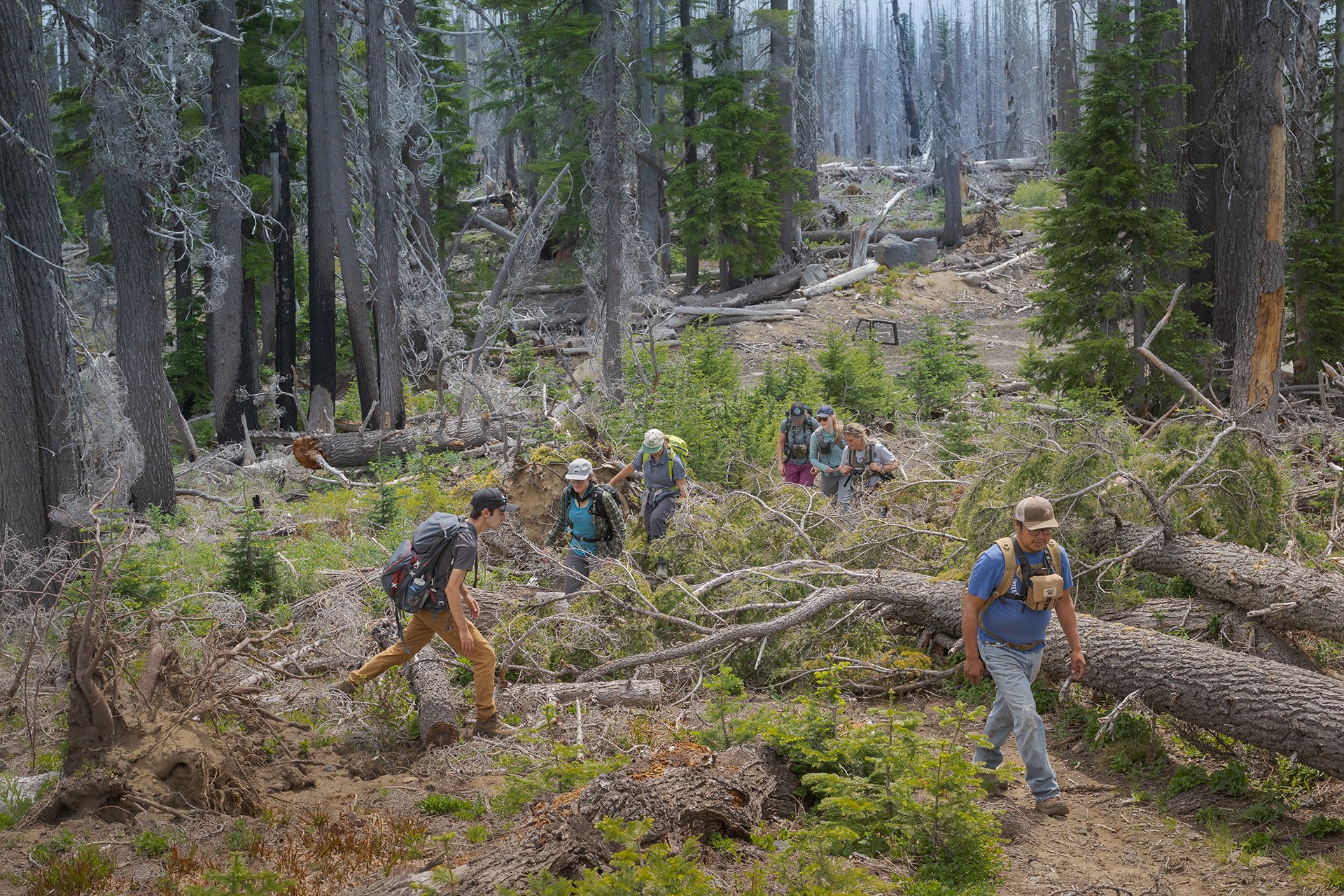
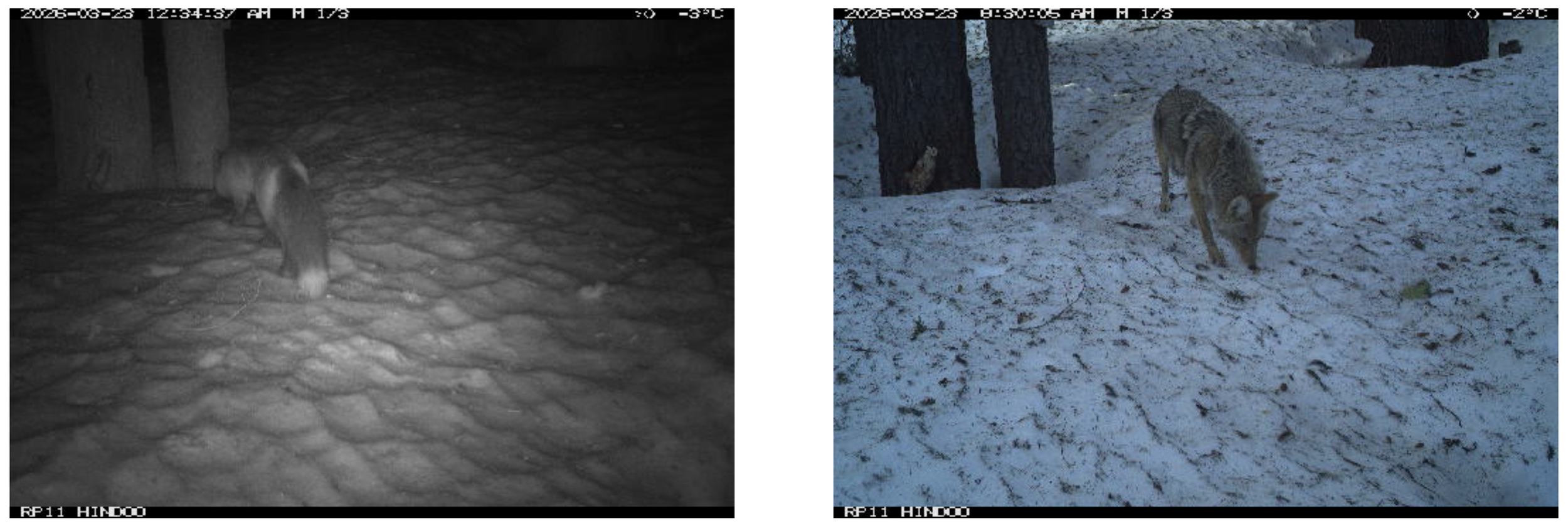
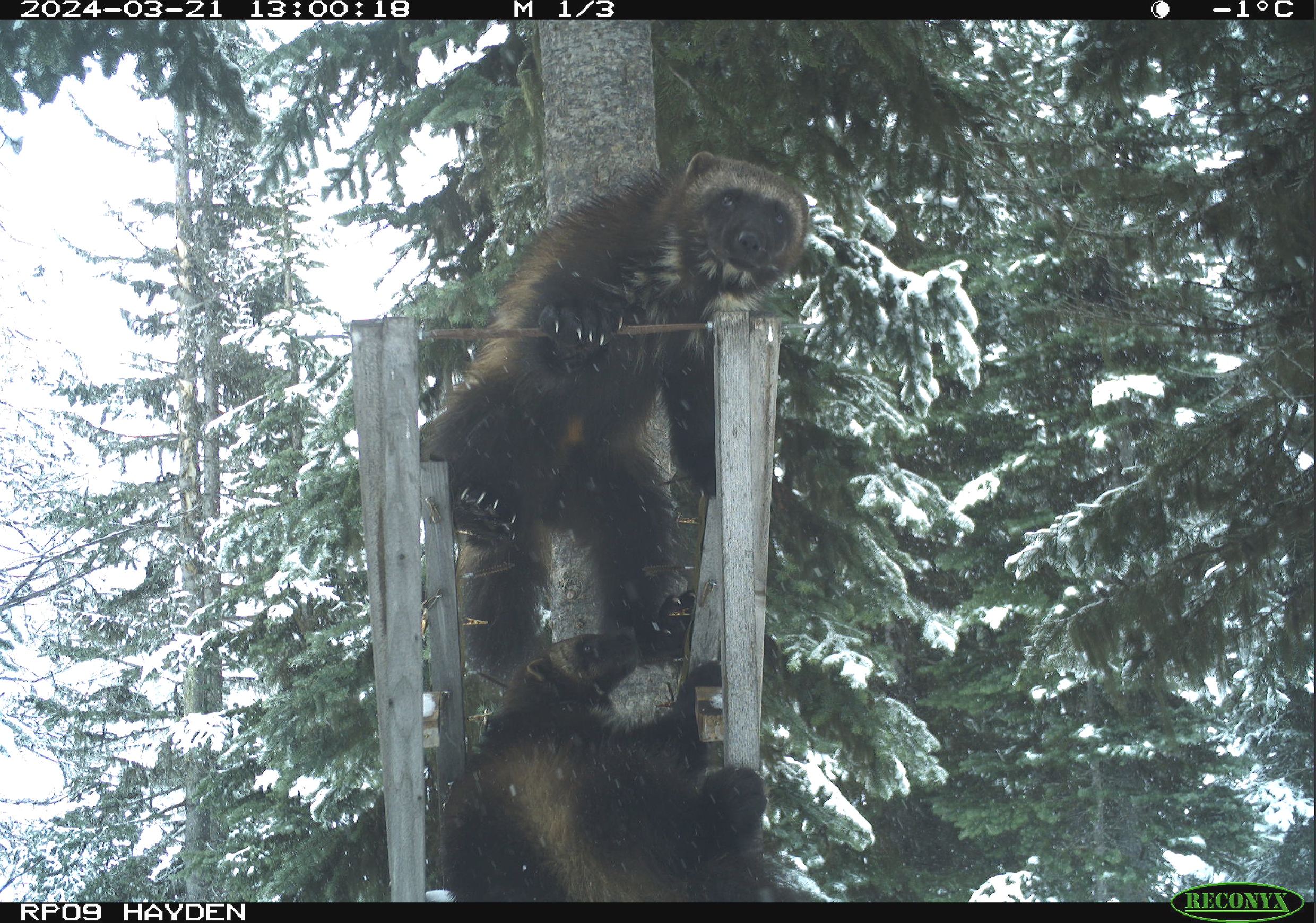
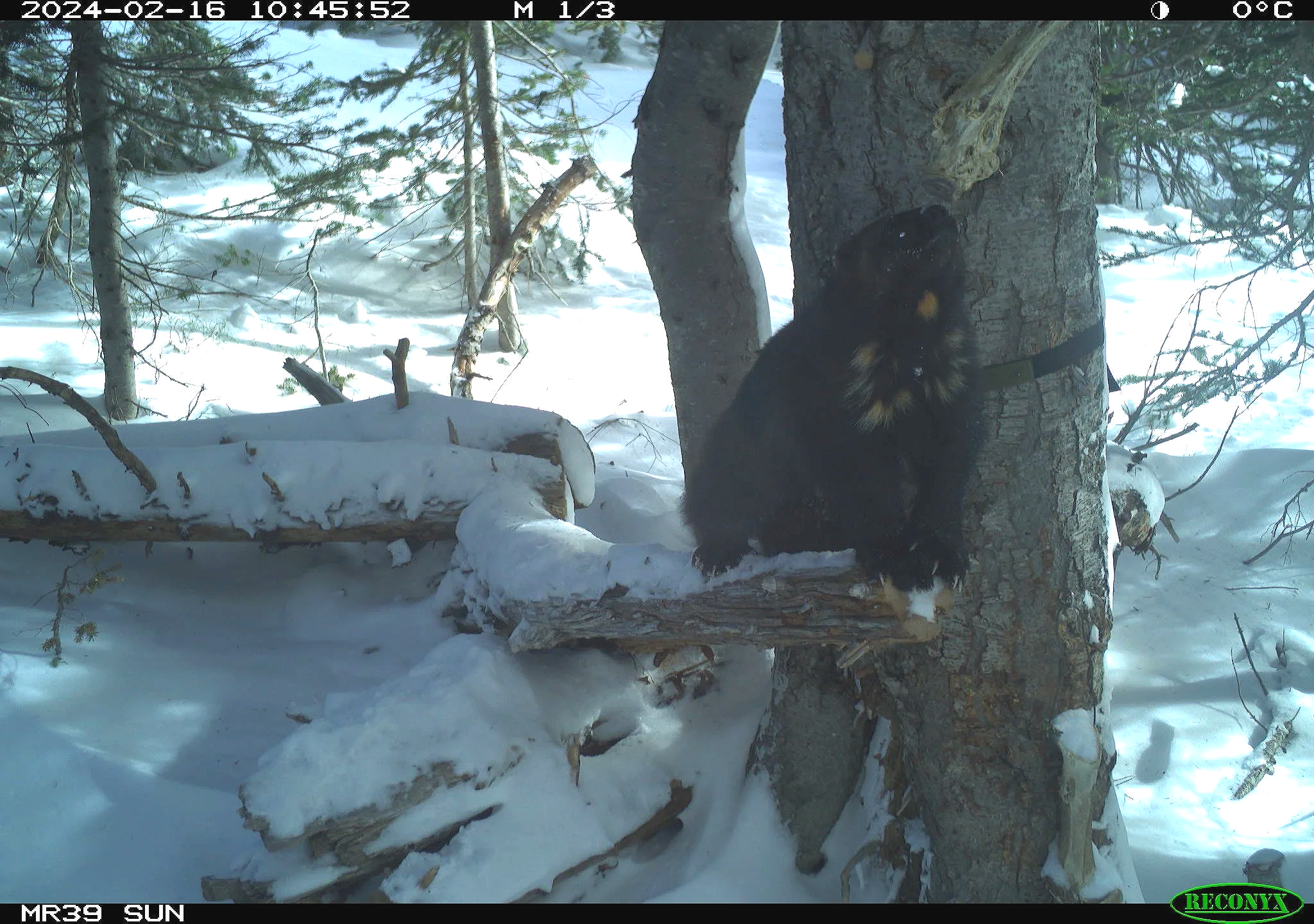
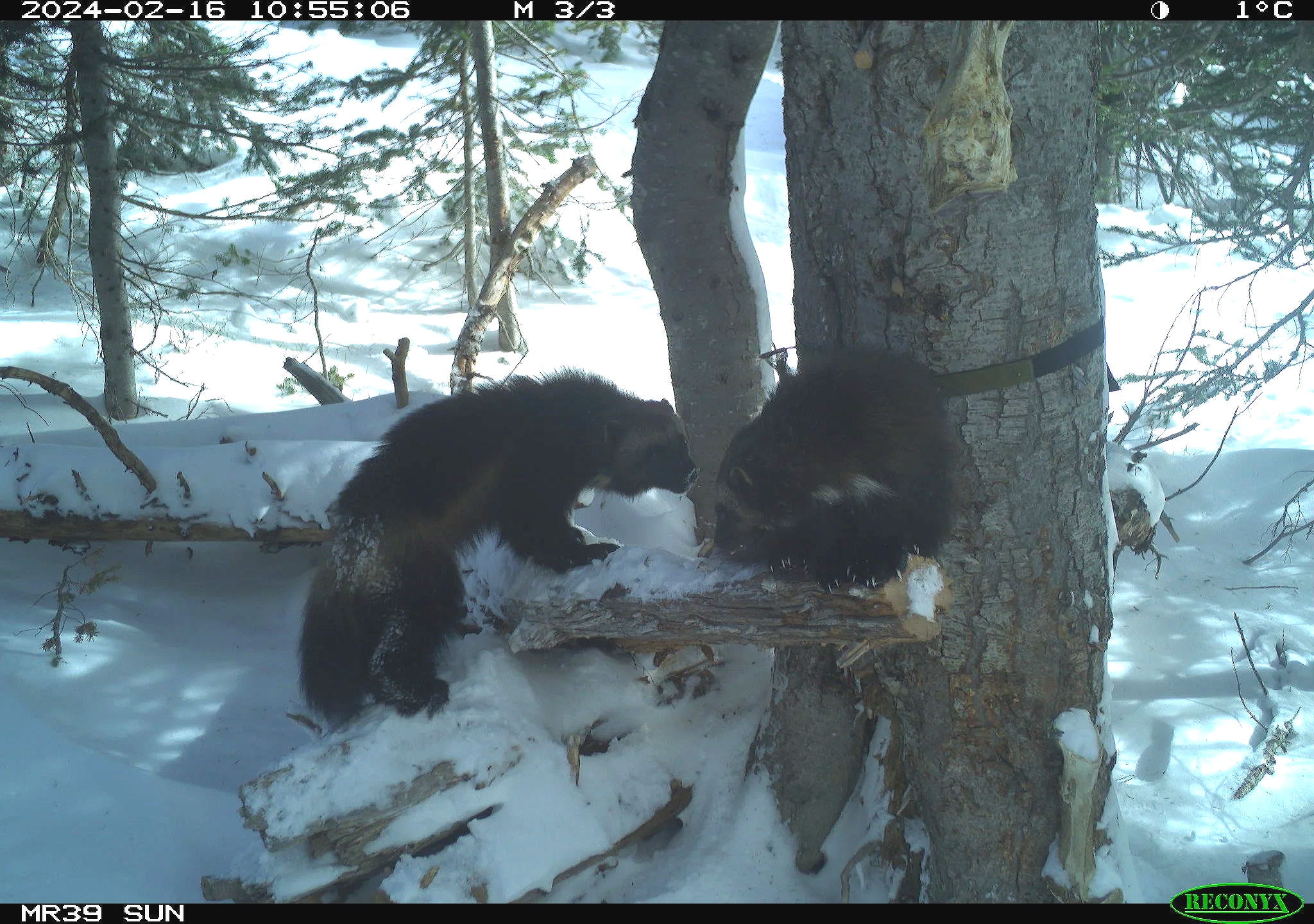
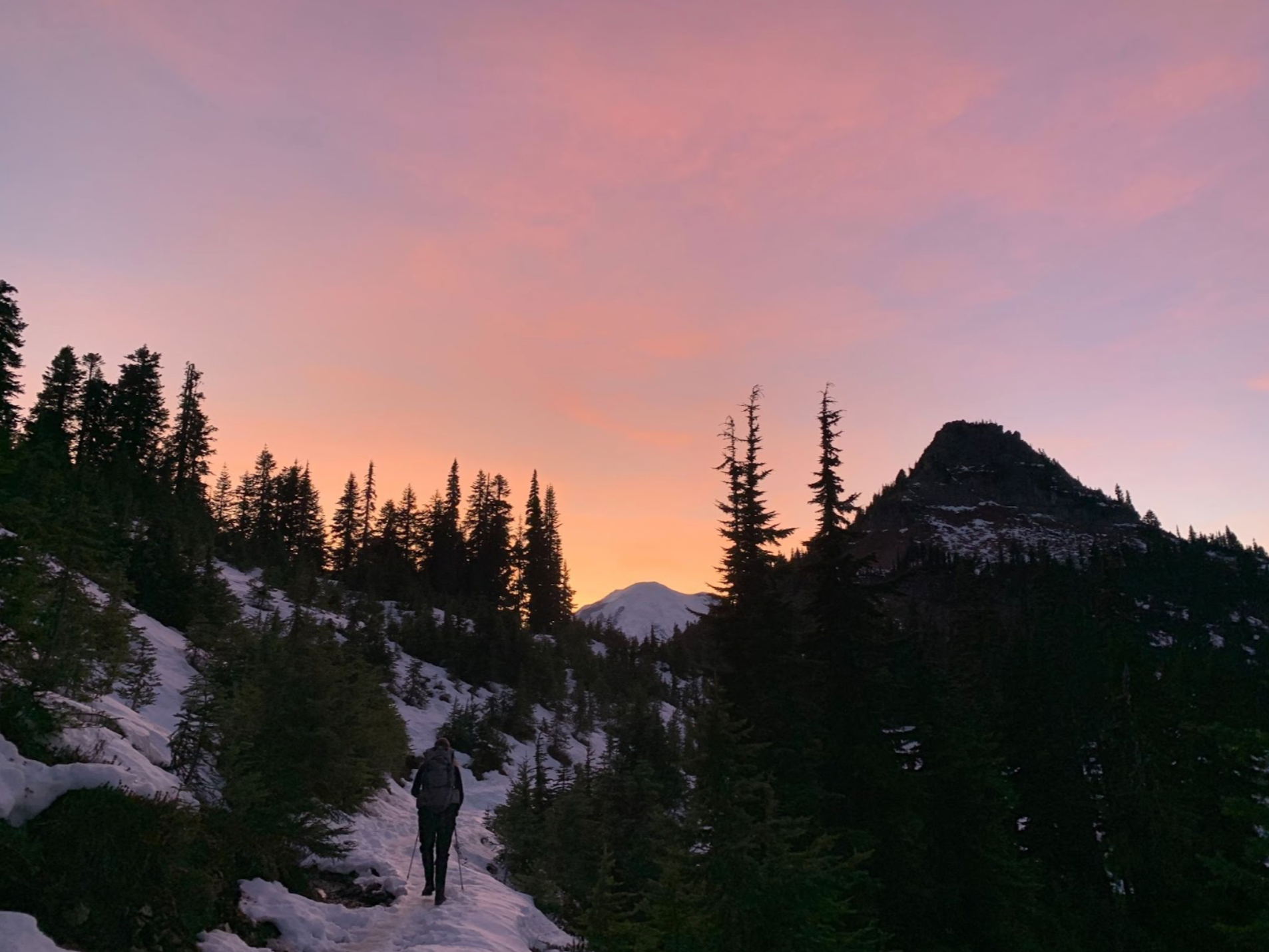
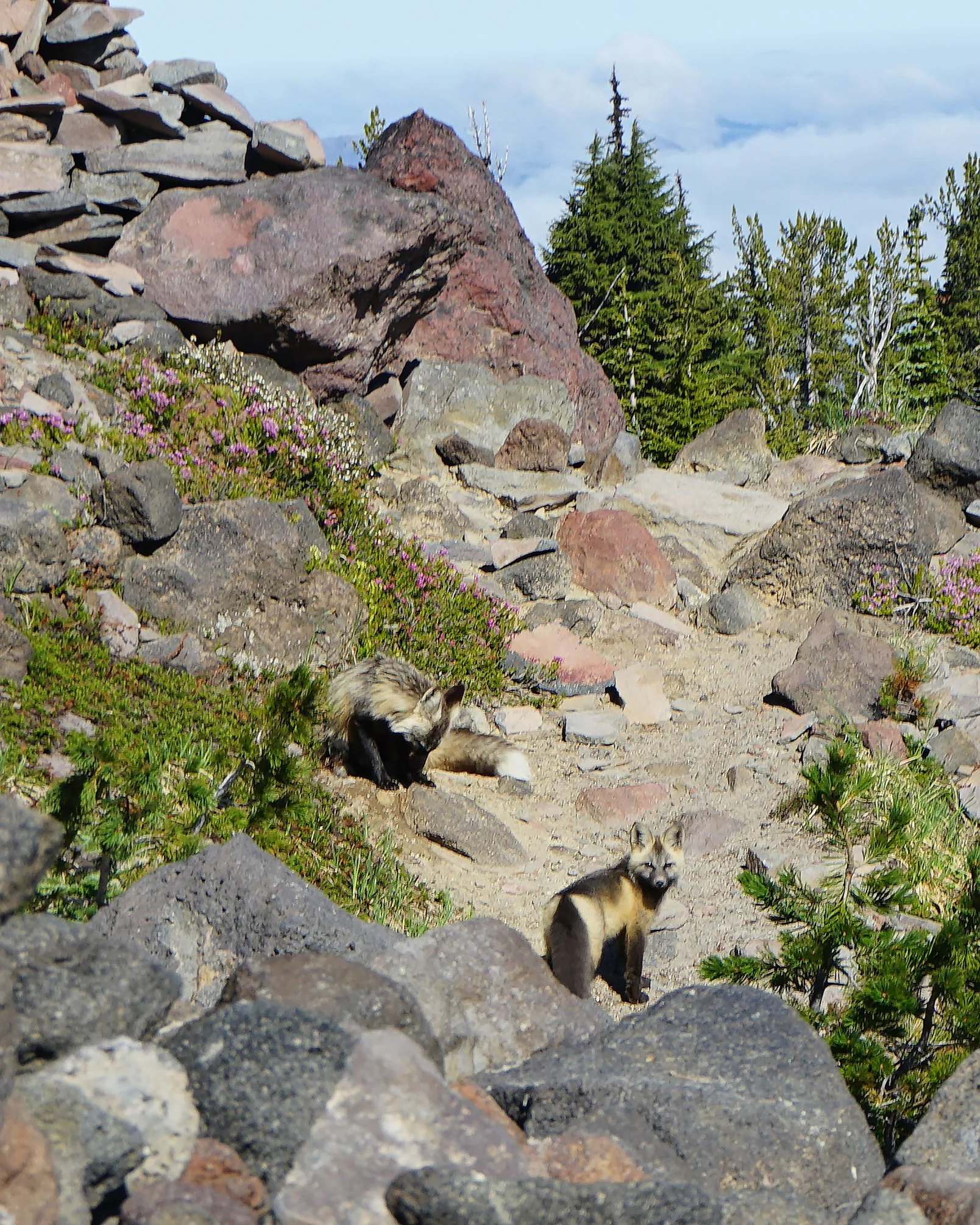
8am - Arrive at Norse Peak trailhead. Begin ascent. Feel the burn for the first few switchbacks as my legs warm up. Start systematic survey for rare carnivore scat namely Cascade red fox, and wolverine, if we are lucky. The team conducts surveys on every hike, 4 days a week. Today, I start as the lead, scanning ahead for the middle-finger sized scat of Cascade red fox with tapered ends. Nate, Virginia and Piper are behind me, scanning one side of the trail or the other, and Lovey scans for what we all missed at the tail-end. I let out many squeals of excitement before my brain gets up to speed filtering out scat-like lichen, burnt bark, rocks and other look-alikes.
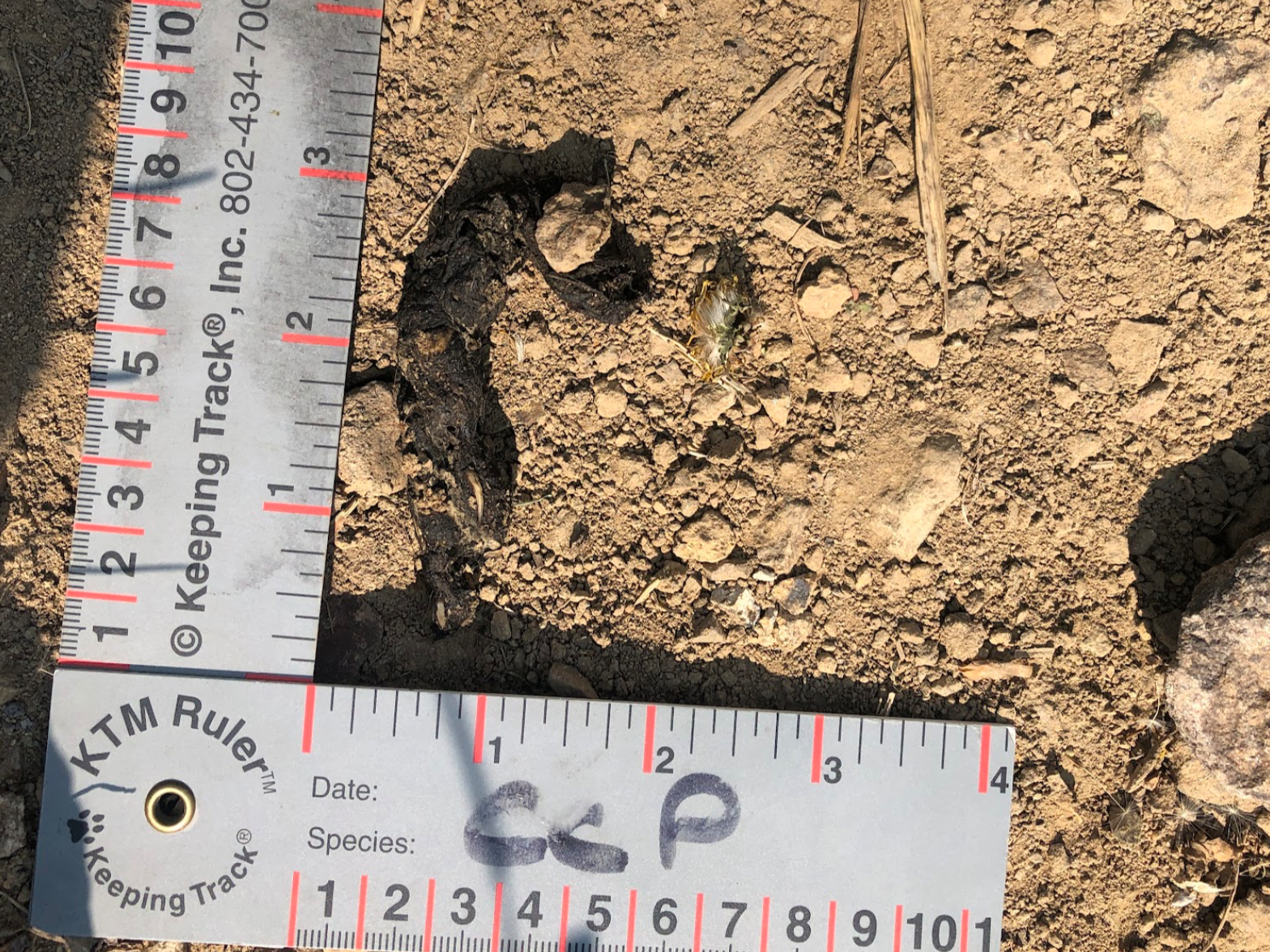
Bone fragments + hair = foxy!
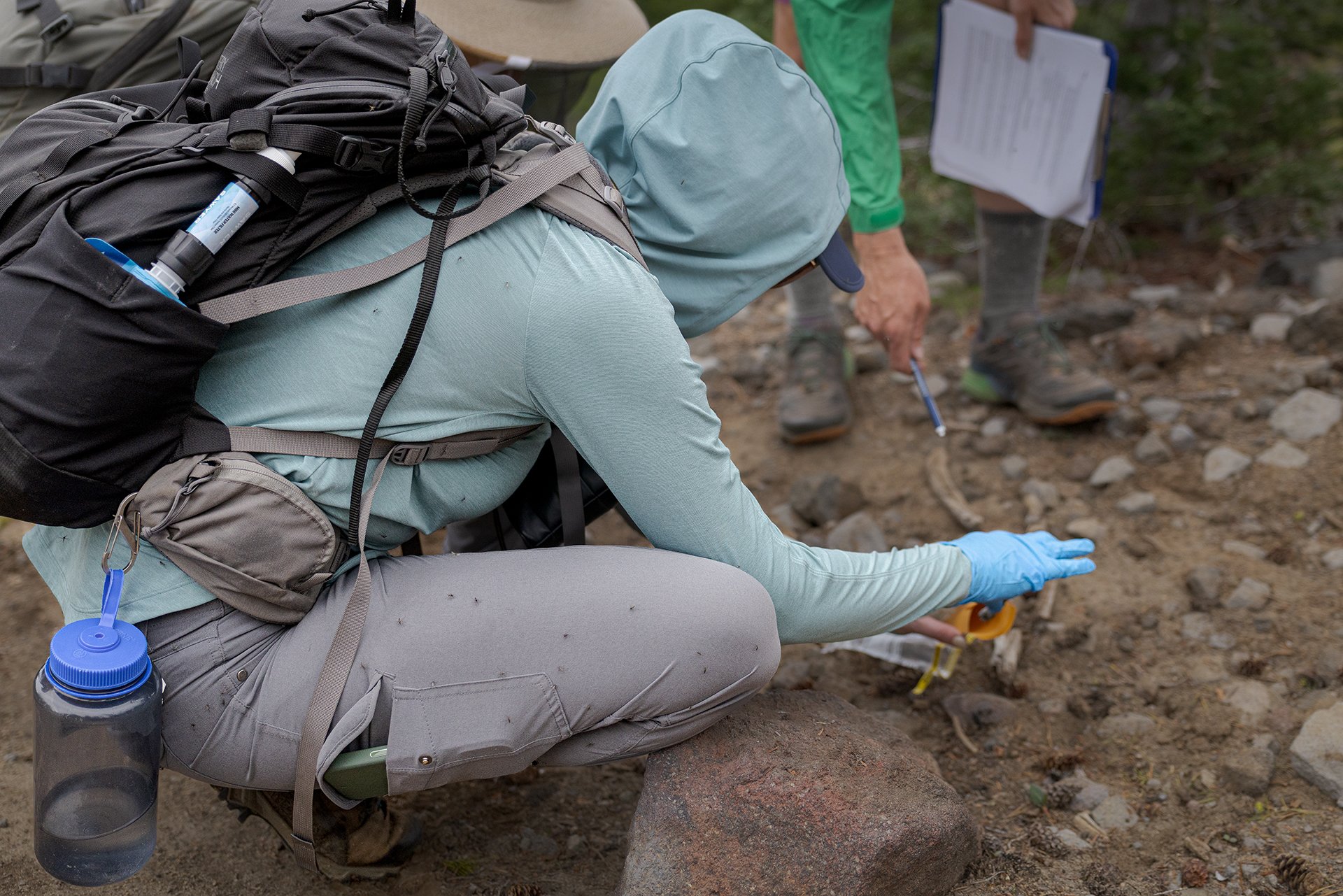
“Scat!” I exclaim as we all peer down at an old, hairy, fox-sized scat at the side of the trail and agree it’s worth collecting for genetic analysis. Analysis is expensive so we want to be reasonably sure, but we also don’t want to miss valuable data.
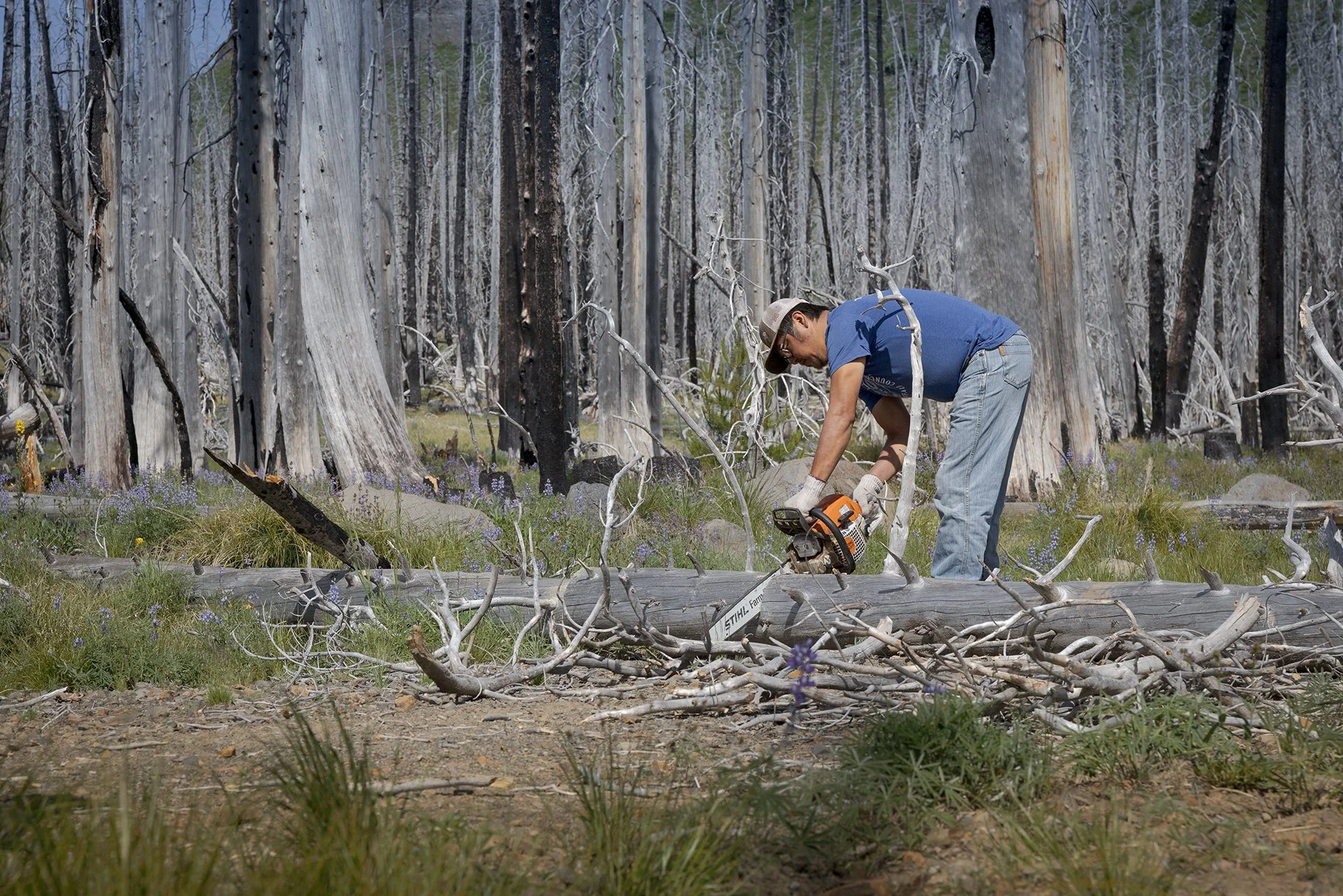
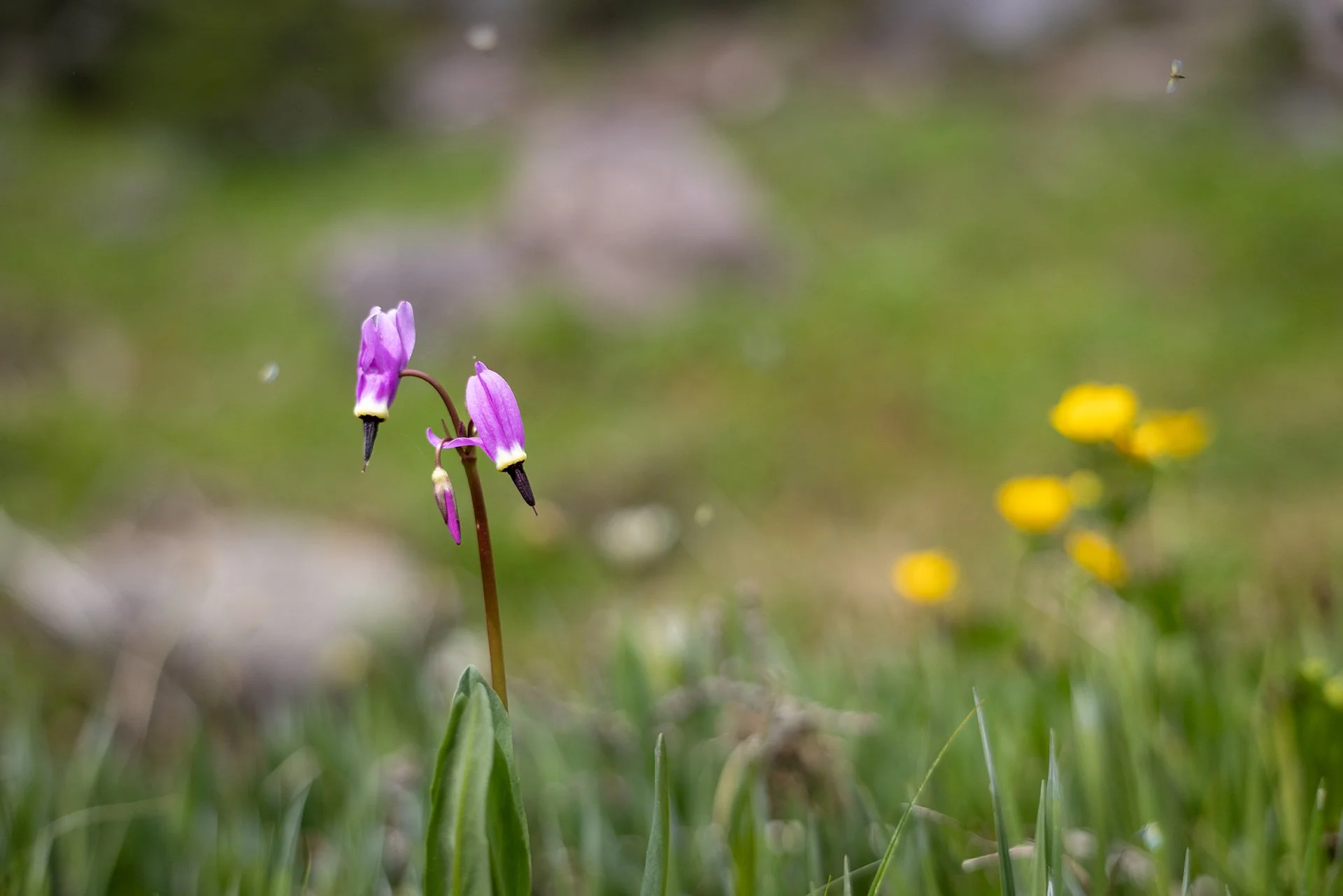
Mountain time - As we climb, vanilla leaf, Cascade Oregon grape and fir trees give way to an unbelievable variety of bright meadow flowers in full sun under the skeletons of burnt trees. It feels like an alternate universe, organized by cold, heat, water and wind. There is no cellphone reception, no roads, only the sounds of birds, chipmunks, bees, mosquitoes, footsteps and my heartbeat as we reach 6,000 ft in elevation on a warm July day. A smoky haze sits on the horizon. We rest for a few minutes at Kahuna peak and take in the 360 views while sweat drips down the back of my legs. Time in terms of minutes and hours feels irrelevant where rock meets sky.
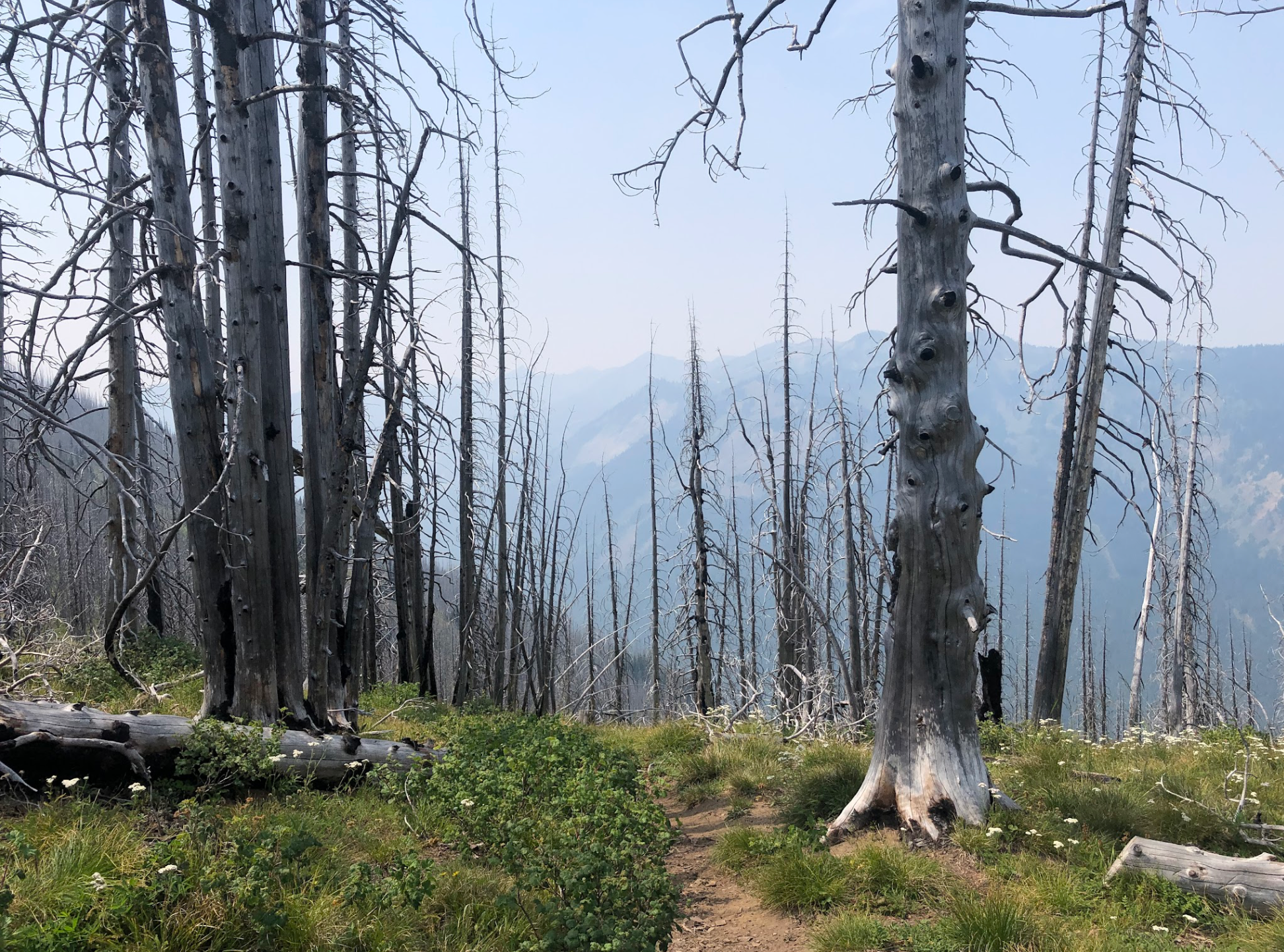
View near Kahuna Peak
Onward, across meadows and scree fields we stop to sample another foxy looking scat. The sound of rocks falling draws our eyes to the cliffs above. There we spot 14 mountain goats including a couple playful kids jumping from ledge to ledge.
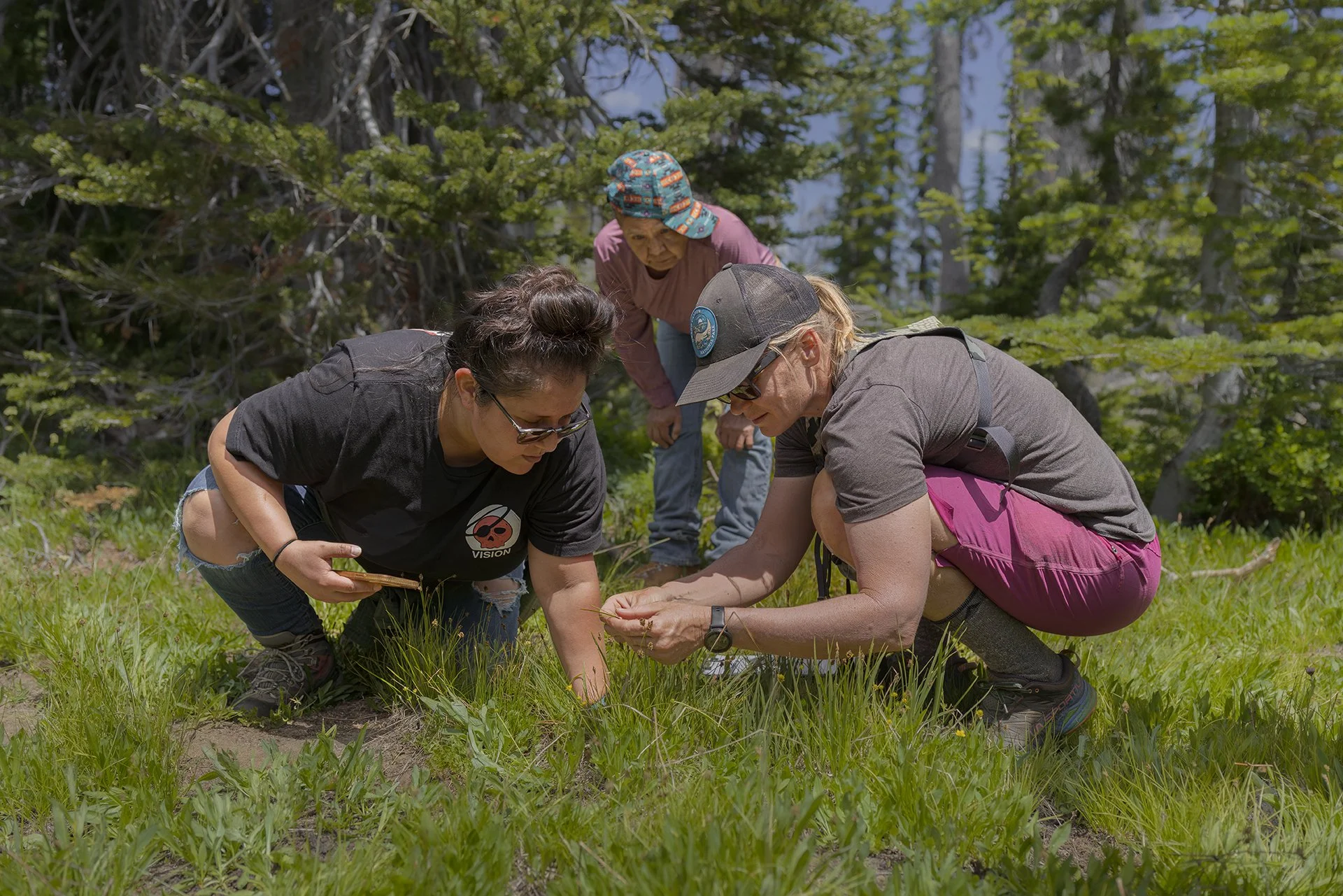
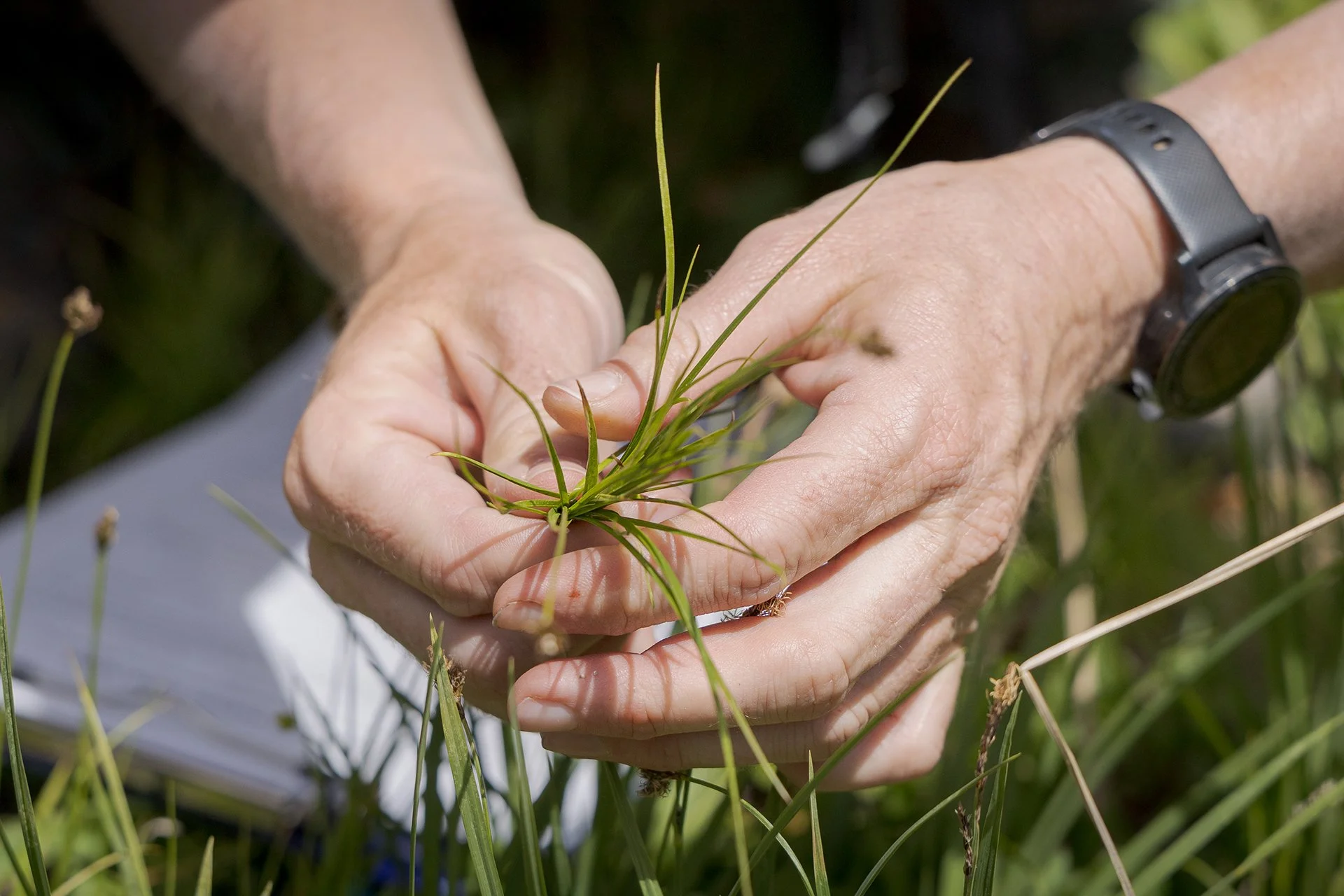
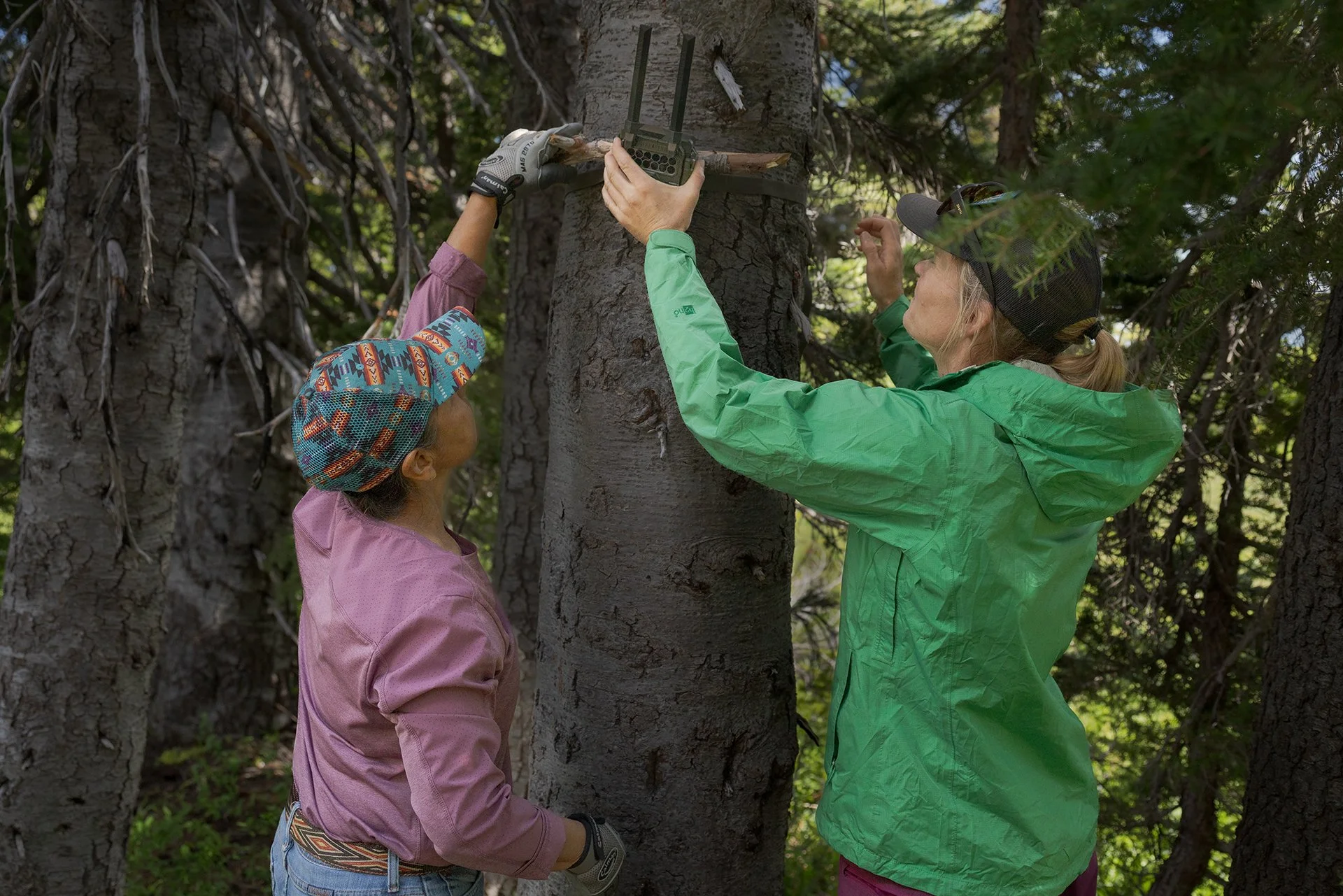
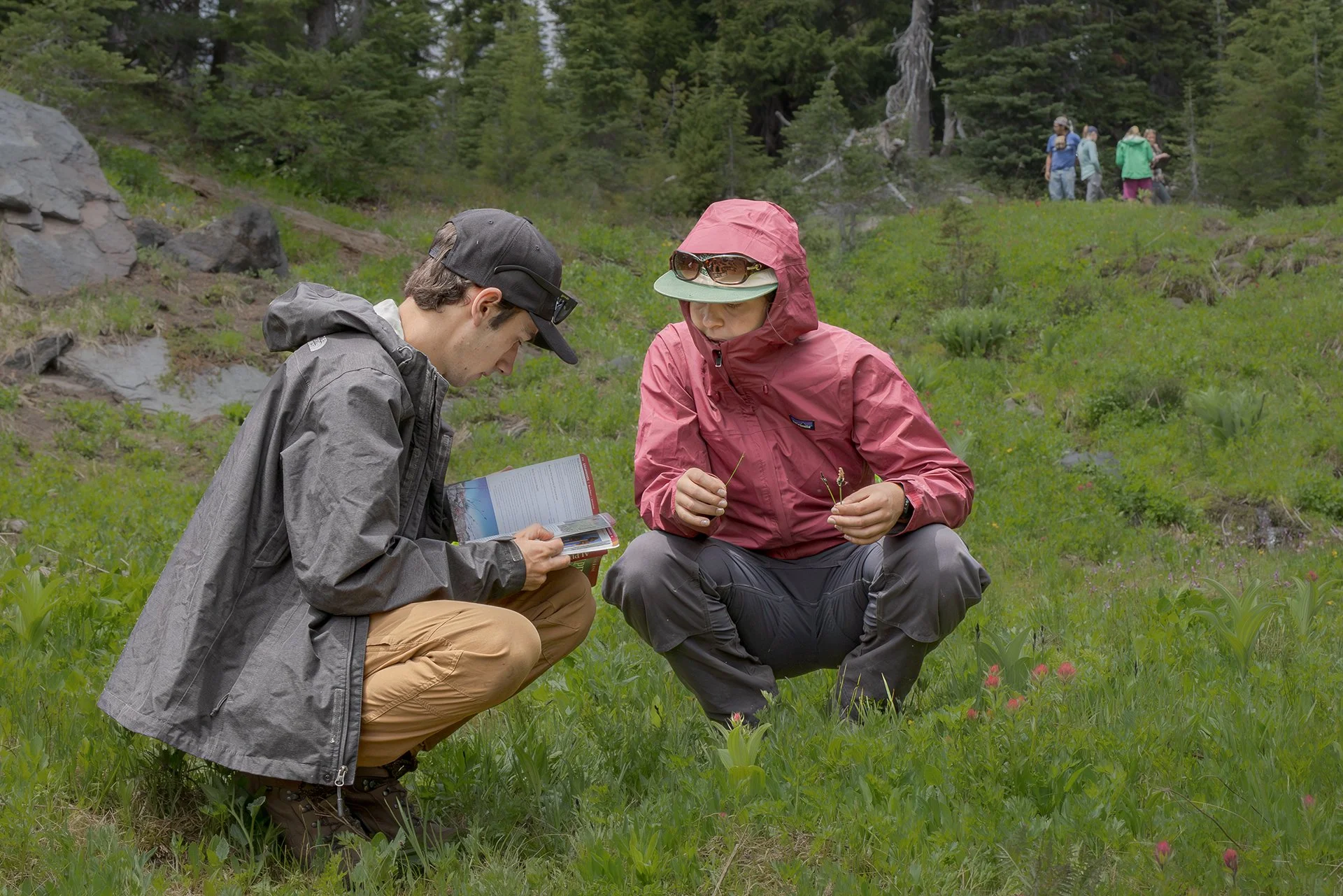
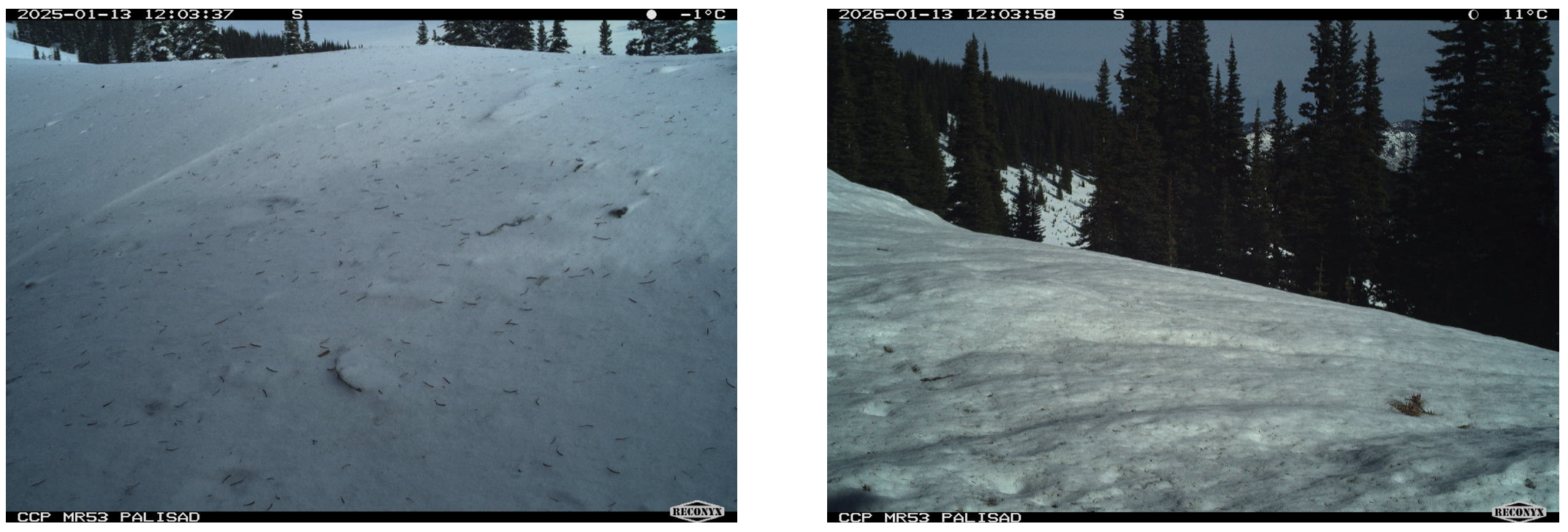
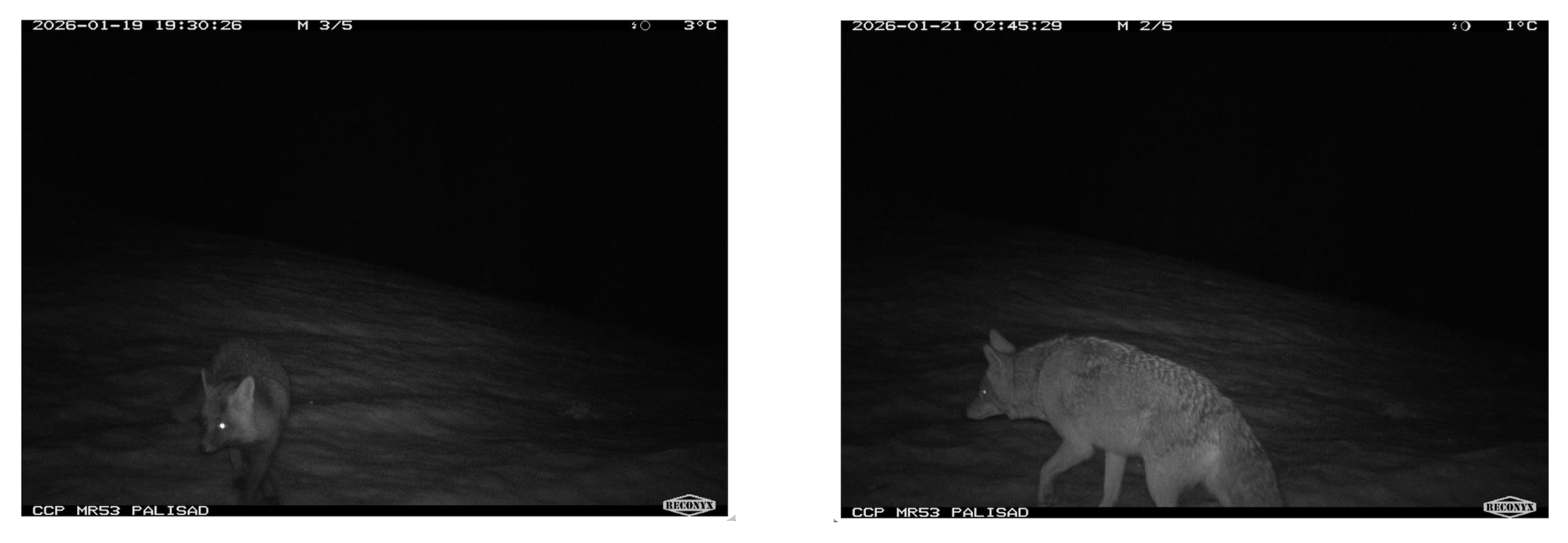
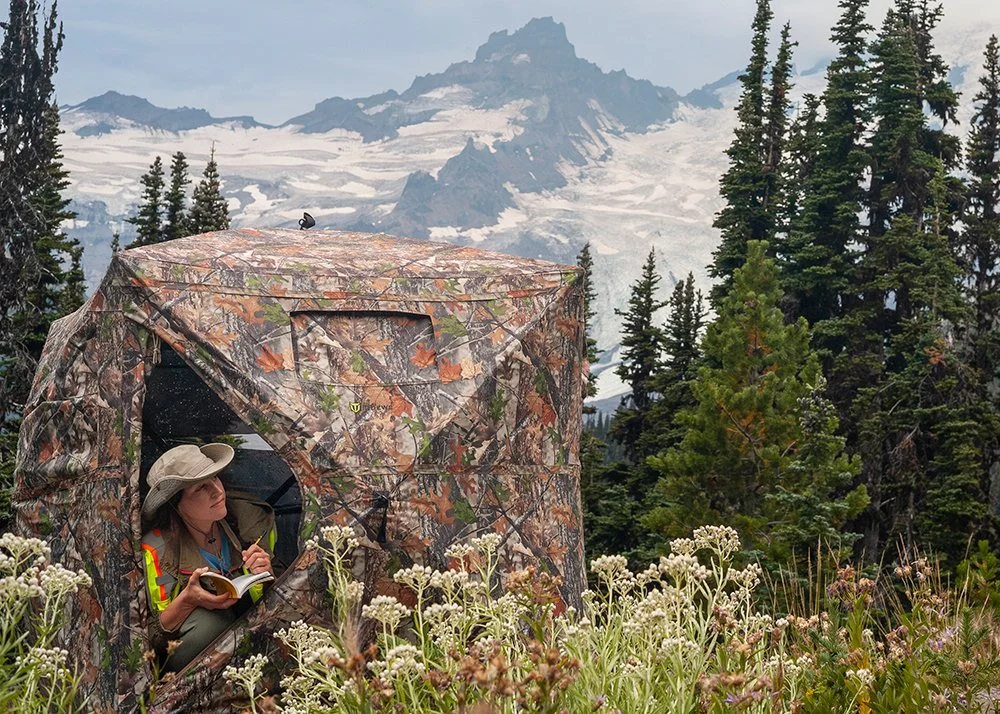
As the sun signals afternoon we double down to meet the day’s goals. Nate and Piper carry on to download photos from a camera station and service it with fresh batteries. Lovey, Virginia and I walk through a meadow habitat protocol aimed to broadly characterize areas as dry, moist/mesic or wet to assess associations with Northern pocket gophers and other prey important to Cascade red fox.
6pm - Back at the Nile base, the crew tend to sore feet and bug bites, and begin to pack for tomorrow’s field work, which will be an overnight backpacking trip into the Goat Rocks. This will be a first for Lovey and Virginia. Field work in alpine ecosystems is incredibly demanding physically and mentally. The gear, planning and fitness required are intense, and yet as alarm clocks sound at 6:30am the next morning the crew is up and ready to go.
I wave as the team rolls out to the tune of fox jams for another day: “May the fox be with you!” I then head home on the 3-hour drive to our Hood River office with a load of samples and datasheets, in complete awe of the tenacity, talent and drive of our whole team.