Words by CCP Founder, Dr. Jocelyn Akins
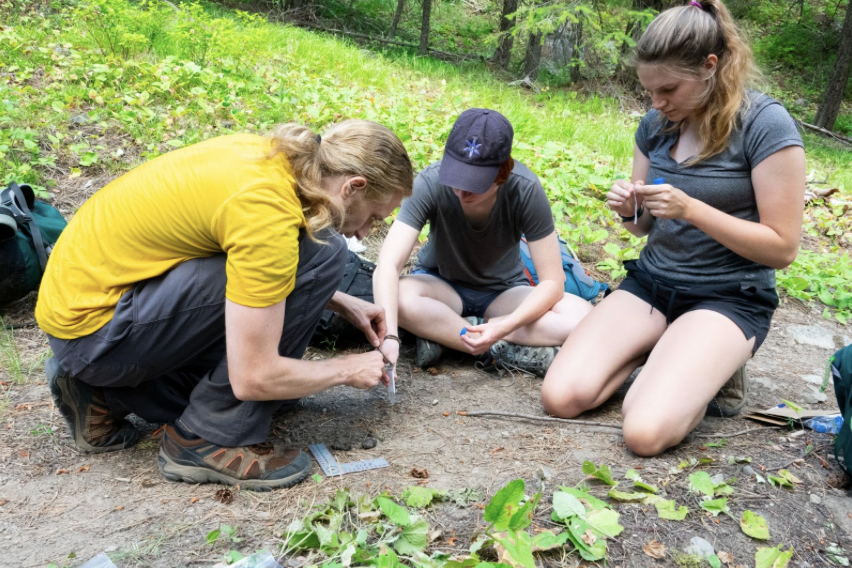
Cascades Carnivore Project brings expertise in leveraging the wonders of what DNA tells us about carnivore populations and individuals across the large landscape of the Cascade Range. We work with the National Genomics Laboratory as well as genetics labs at Oregon State University and the University of California to extract both mitochondrial and nuclear DNA from carnivore scats, hair, and urine samples. Our field crew and conservation community scientists collect these DNA samples in the mountains (if you’re interested in joining us in 2026, keep an eye out on these newsletters to be the first to know how to get involved!).
Mitochondrial DNA is quite interesting: not only does it confirm which carnivore species deposited the scat BUT it can also identify every prey species within the scat, giving us a whole new perspective on the carnivore’s diet.
How does knowing what wolverines, Cascade red foxes, and Canada lynx eat help us with conservation? Over long periods of time we can establish baseline food habits for these species and begin to understand which prey are most important to their survival during which time of year. If the proportions of important prey changes over time, this can be an indicator that something is disrupting the system. For example, we know that climate change is changing the subalpine meadows into forests used by mountain foxes, which changes the prey species found in these ecosystems. If this ecosystem, which is critical for foxes, begins to disappear, so will their prey. By using a combination of information streams, like ecosystem change and prey, we can sound an early alarm to develop and implement strategies to mitigate these negative changes.